








Price :
QTY :
CART TOTALS :
There are items
in your cart
CART TOTALS :
With this products also buy:


We identified: …


Angle of view: IPS full view
Application: Desktop
Bracket Type: Ordinary Bracket
Brand Name: SHCHV
Brightness: 500cd/m
Built-in Speaker: No
Choice: yes
Display Ratio: 32:9
Display Size: 9
Display Window: 226.25 x 54.44 mm
High-Dynamic Range: NONE
High-concerned chemical: None
Interface: Usb-Type-C, PH
Interface Type: Type-C
Maximum Power Consumption: 1.6 W
Origin: Mainland China
Overall dimensions: 242 x 63 mm
Panel Type: IPS
Resolution: 480x1920,1920 x 462
Screen Type: LCD
Screen curvature: NONE
Shell Material: Aluminum alloy
Thickness: 12.5mm
Weight: 194g
semi_Choice: yes
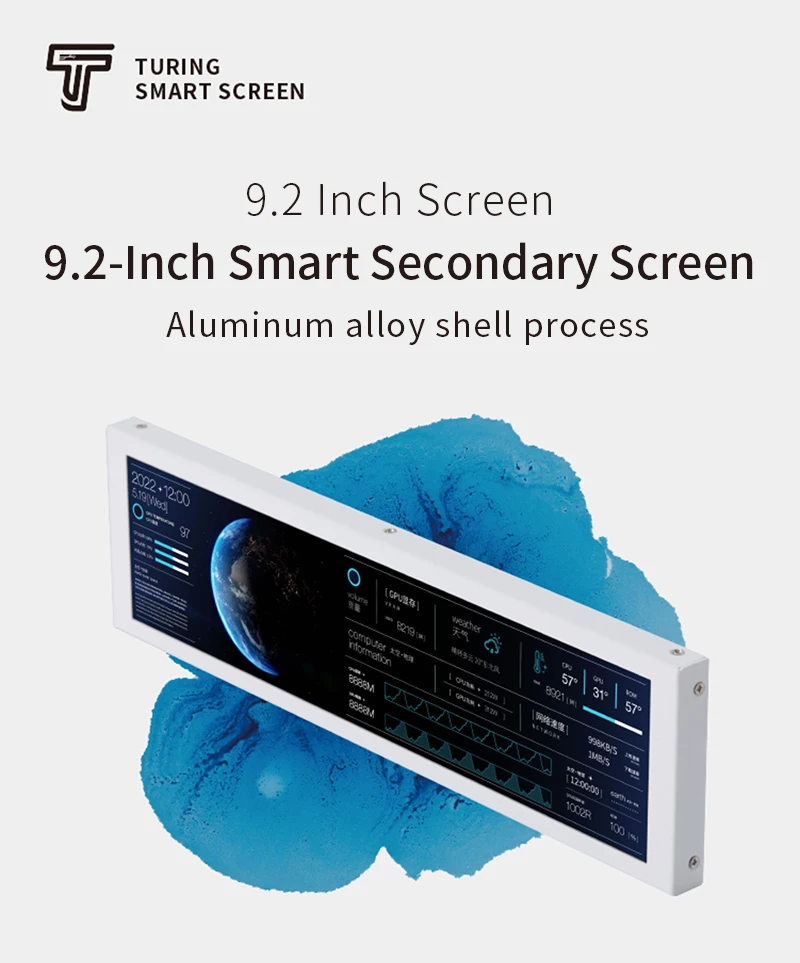
New 9.2 Inch USB-C Smart Screen IPS 1920x462 Secondary Screen Use TURZX Software CPU GPU RAM Computer Monitor for Windows 10 11
Software download link
https://lgb123-1253504678.cos.ap-beijing.myqcloud.com/88inchENG.rar
Note
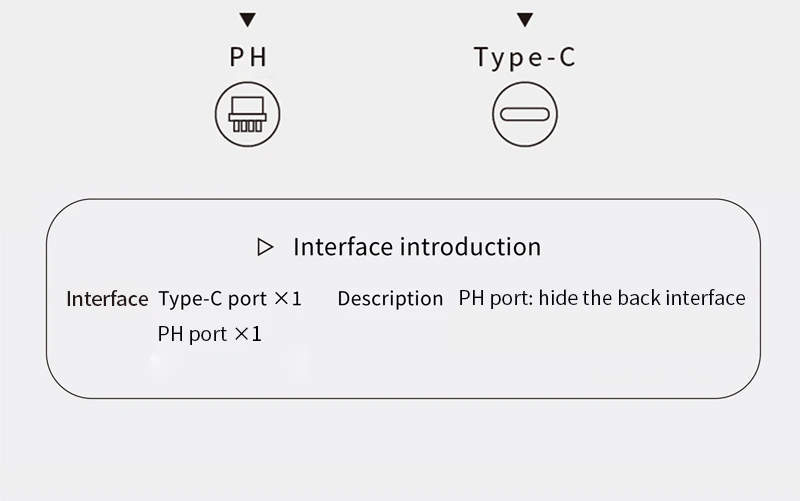
Just select one cable for connection, USB-C cable or 9-pin cable, do not use two cables at the same time!
Features
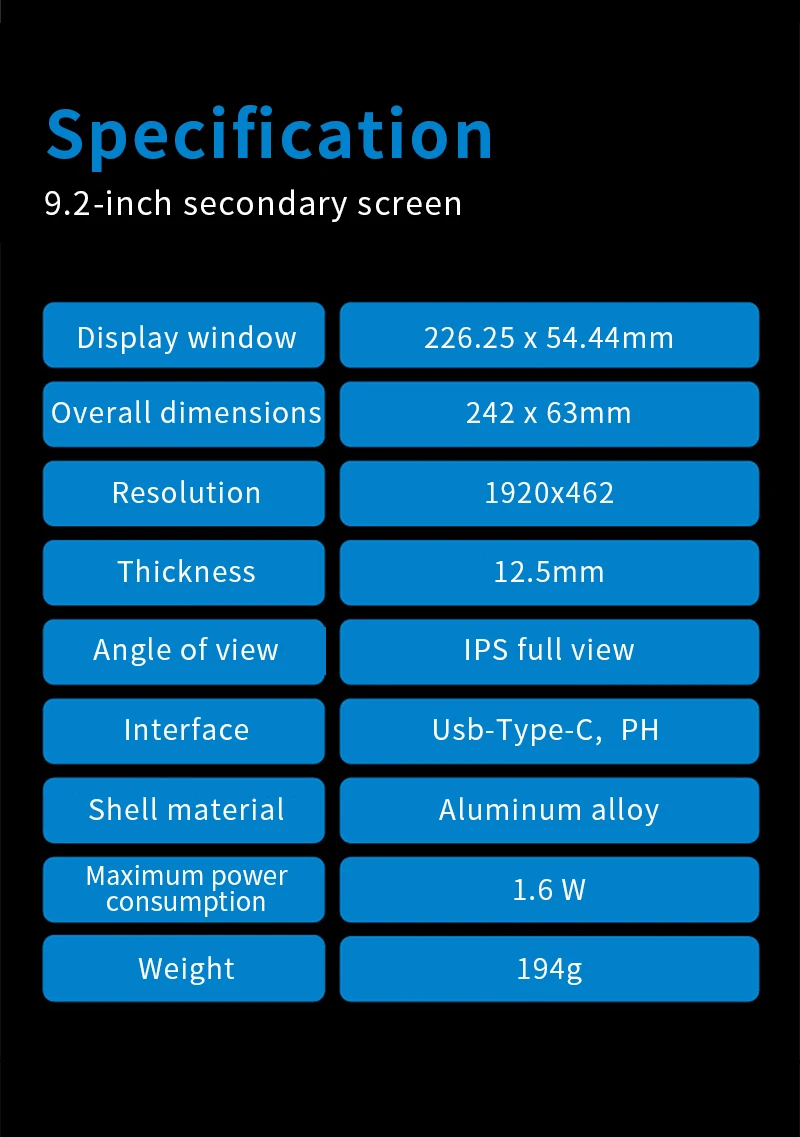
Display Window:226.25 x 54.44 mm
Overall dimensions:242 x 63 mm
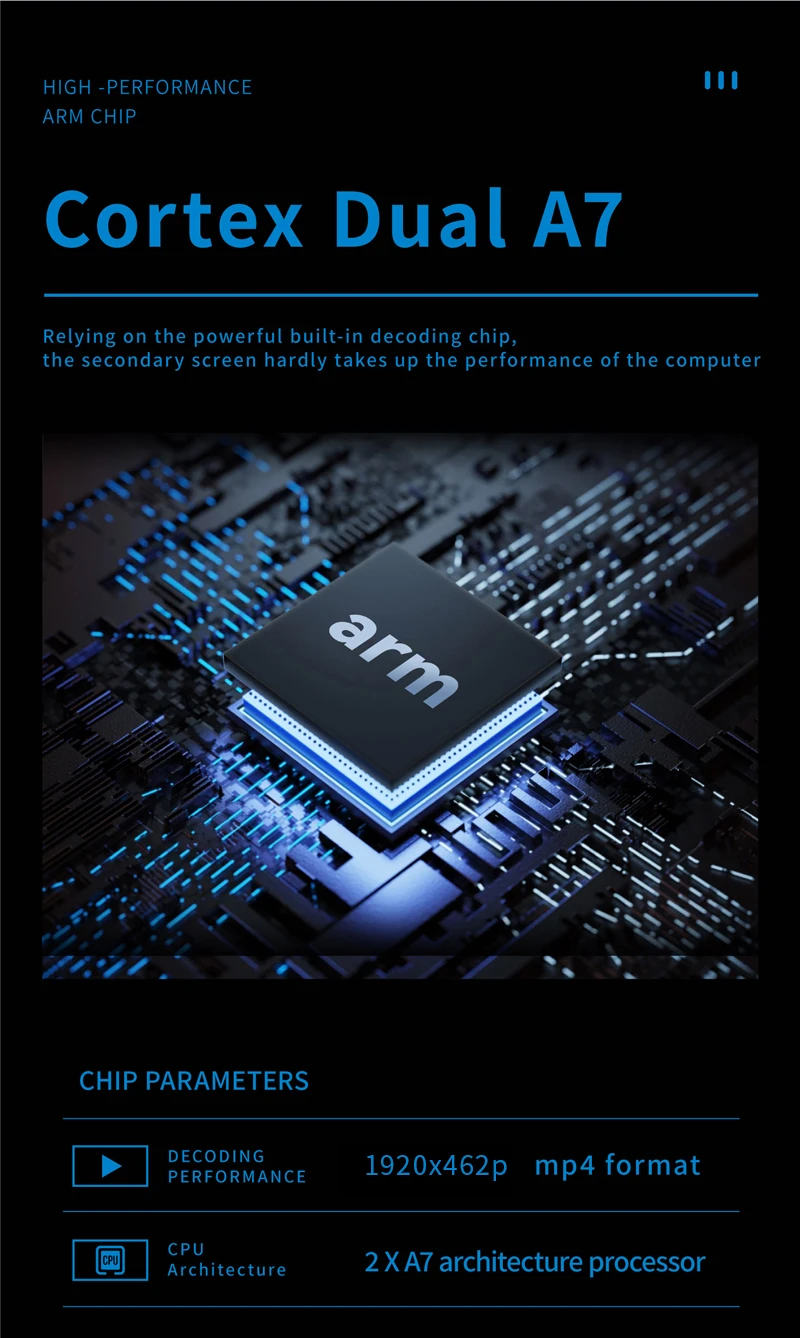
Resolution:1920 x 462
Thickness:12.5mm
Angle of view:IPS full view
Interface:Usb-Type-C, PH
Shell Material:Aluminum alloy
Maximum Power Consumption:1.6 W
Weight:194g
Introduction
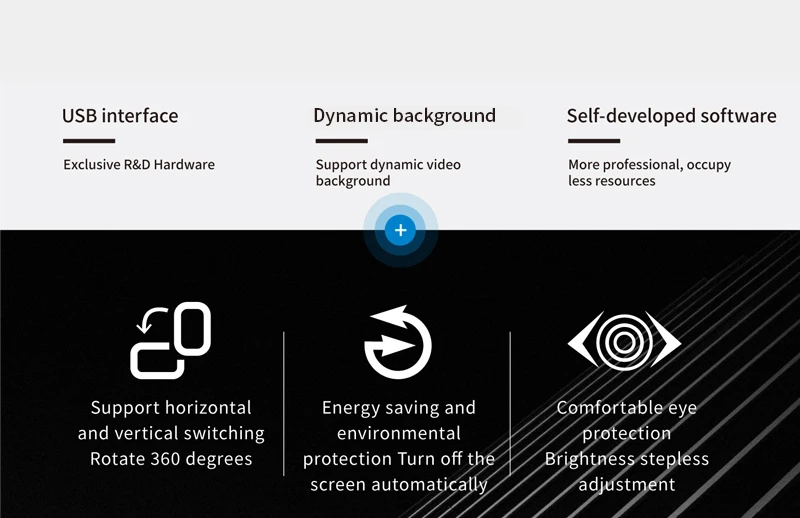
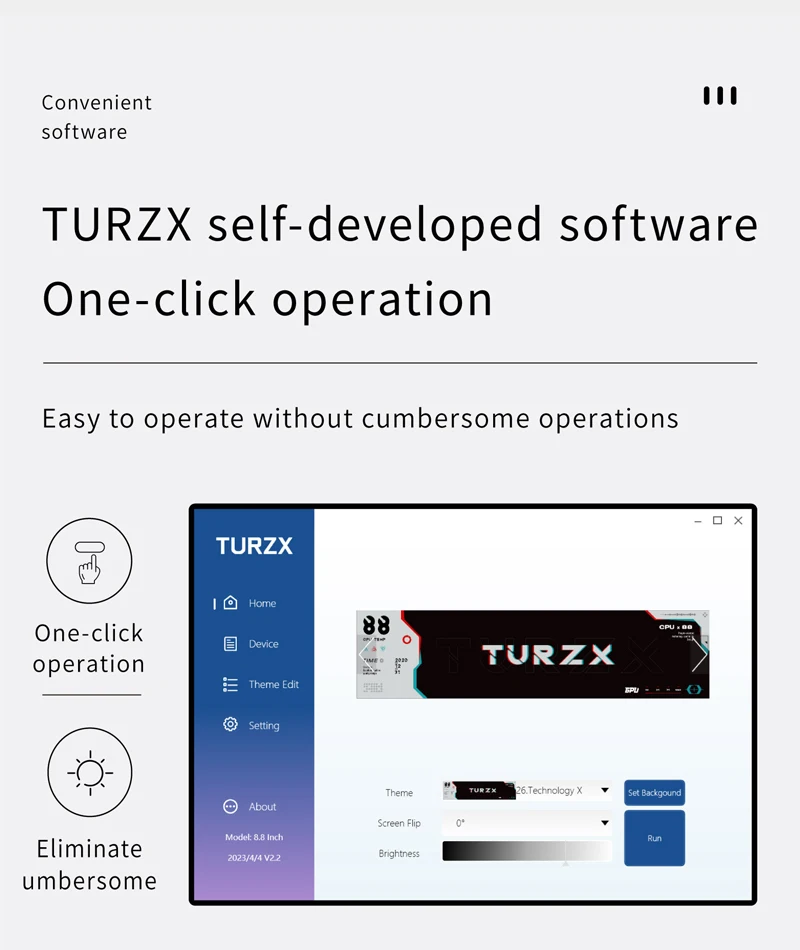
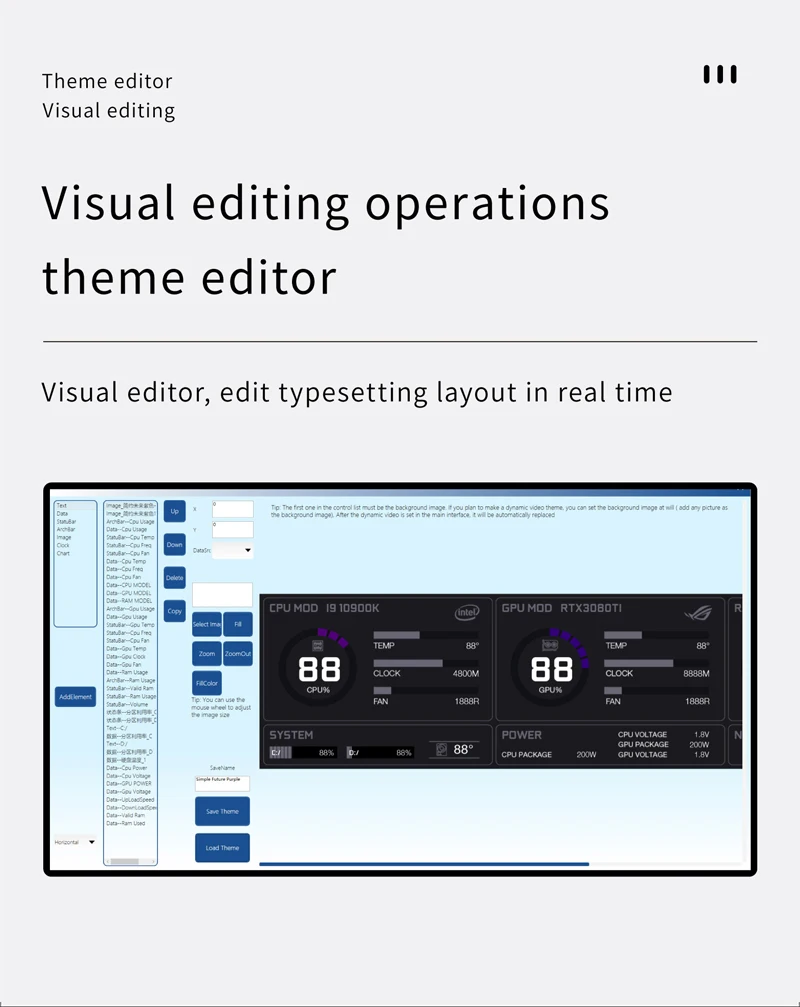
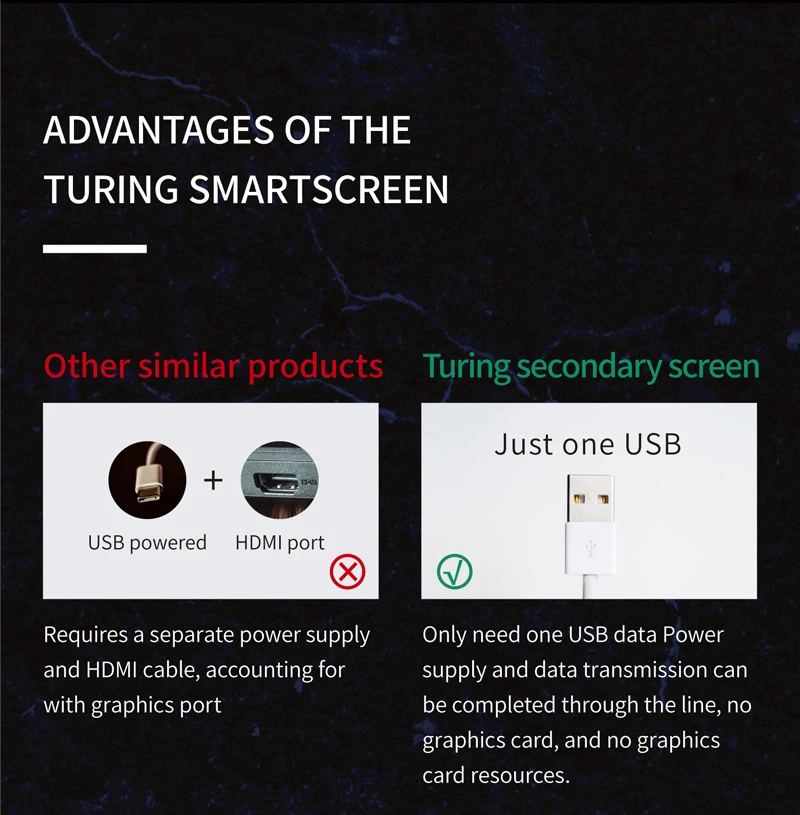
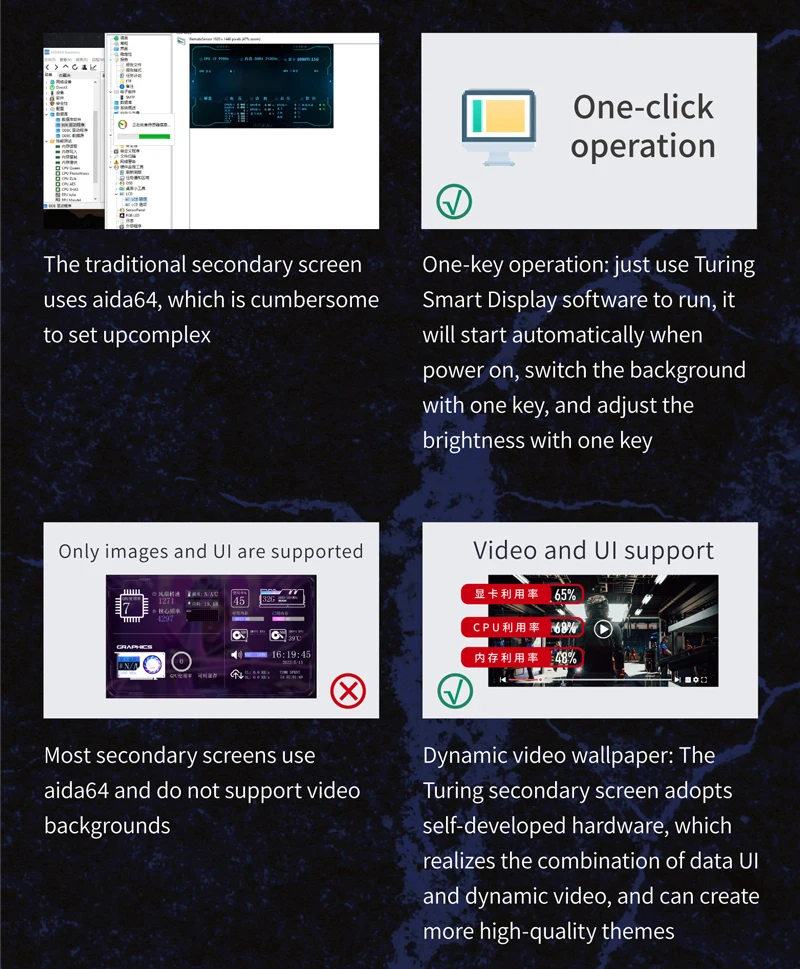
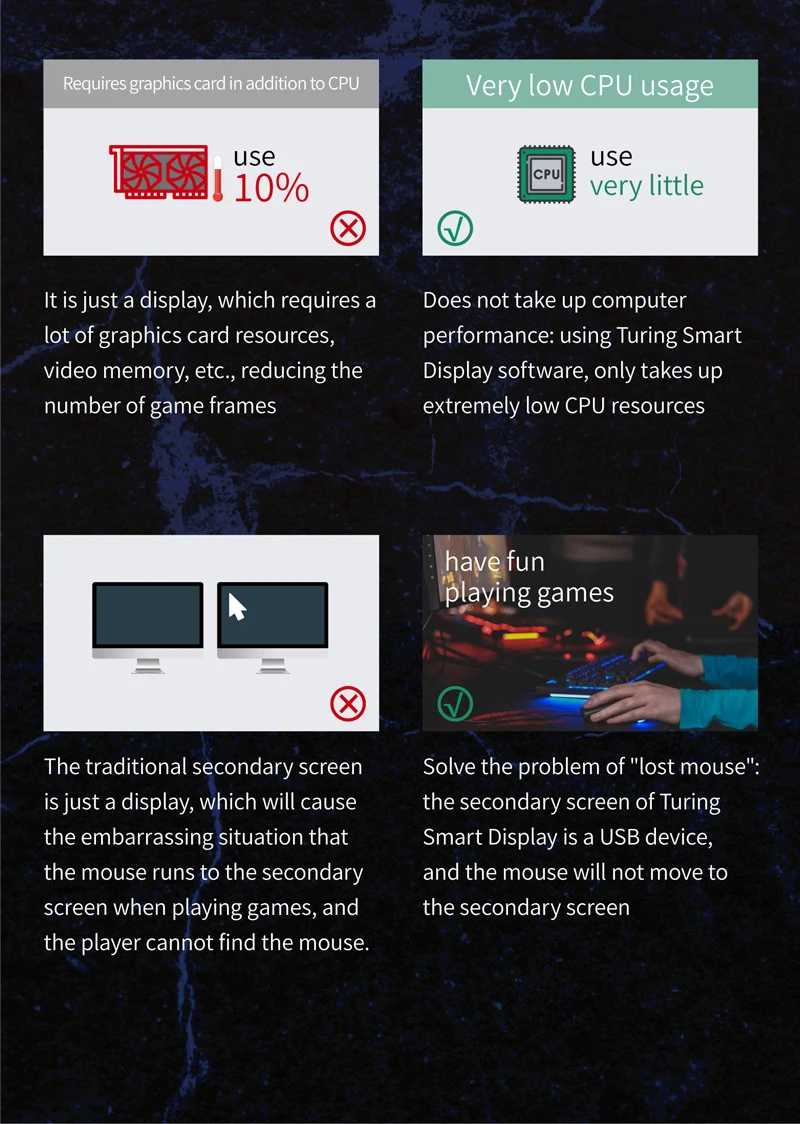
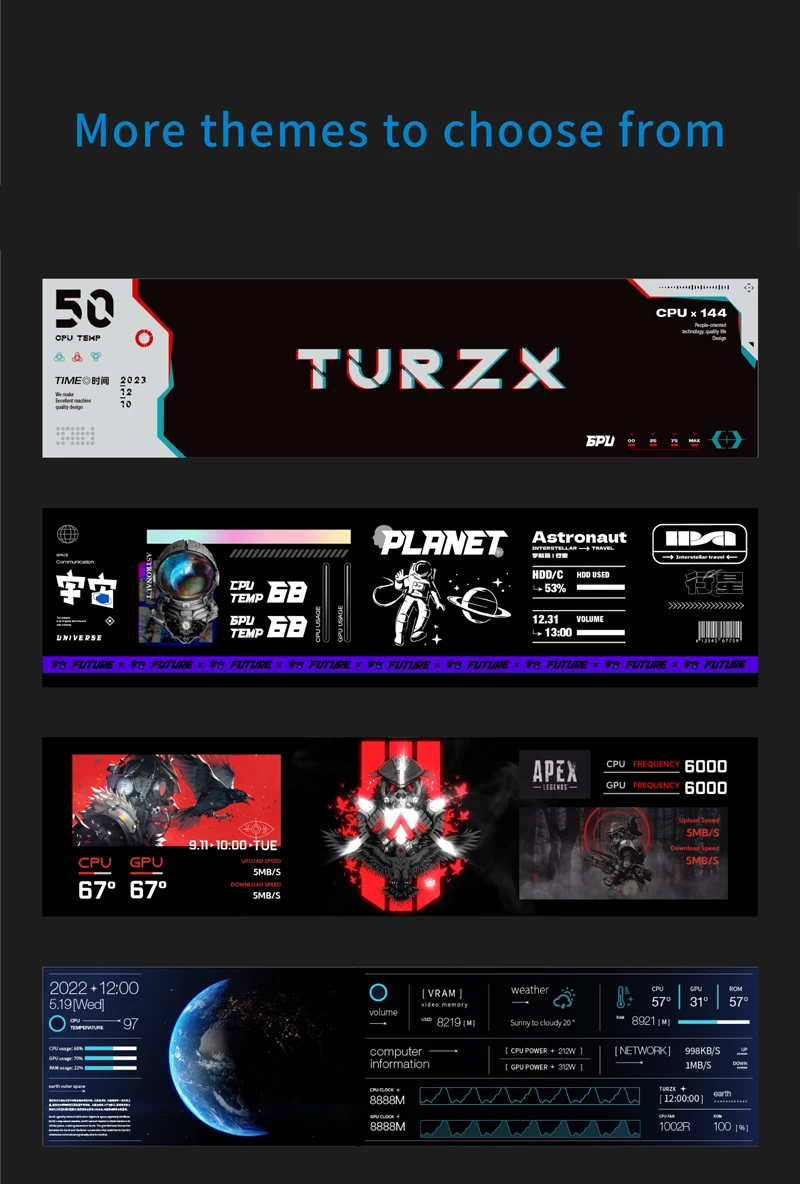
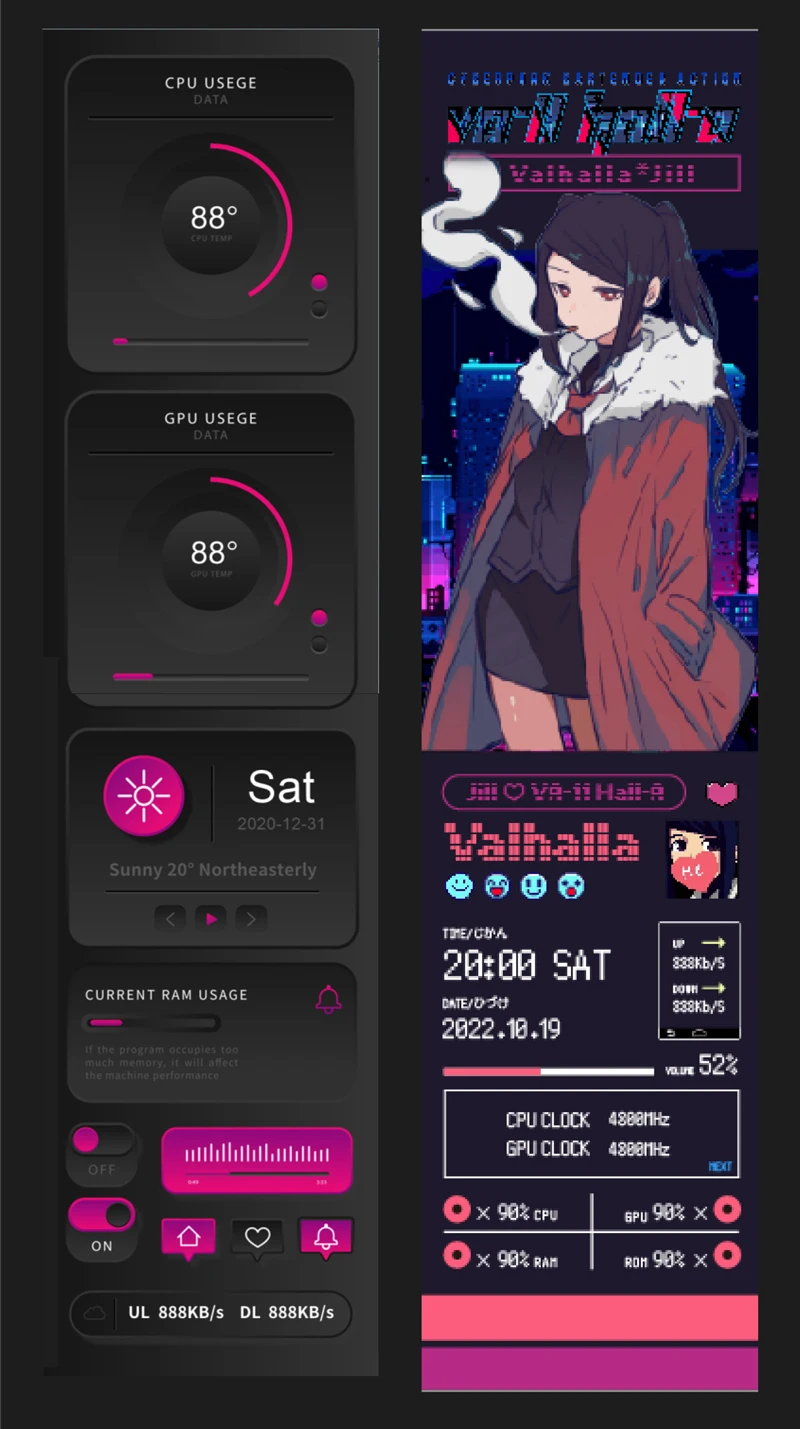
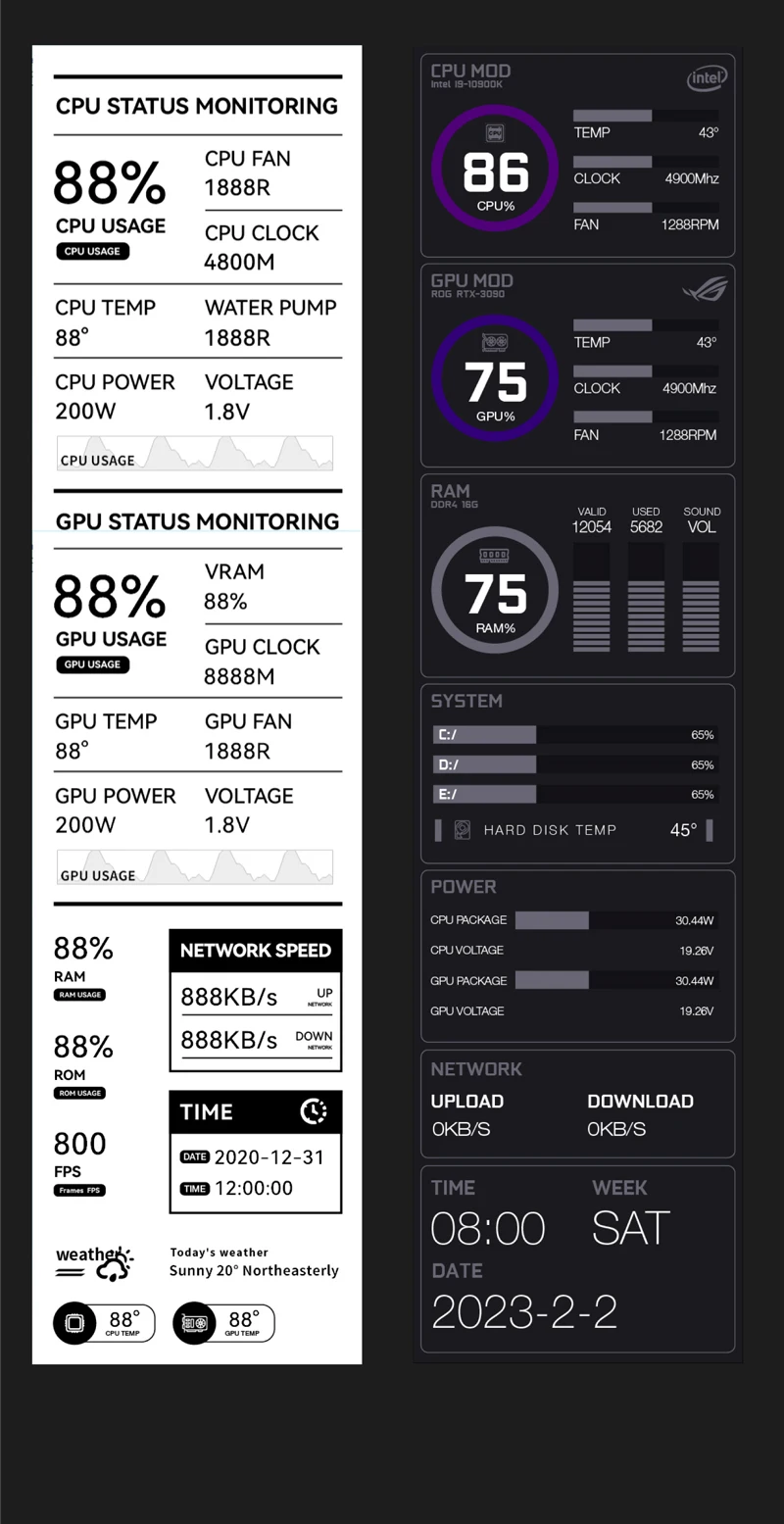
1. Use with self-developed software (TURZX),does not use AIDA64, and takes up less resources, need not HDMI-compatible cable.Support setting dynamic videos as theme backgrounds.
2. This product does not require hardware, compatible with Win10 and Win11 systems.
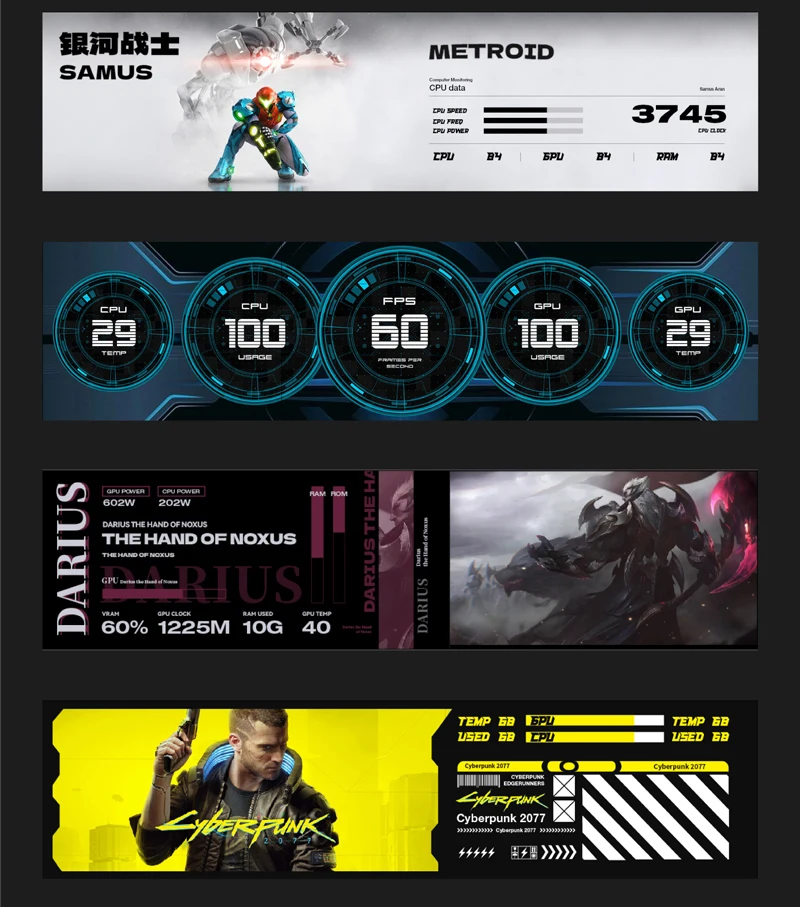
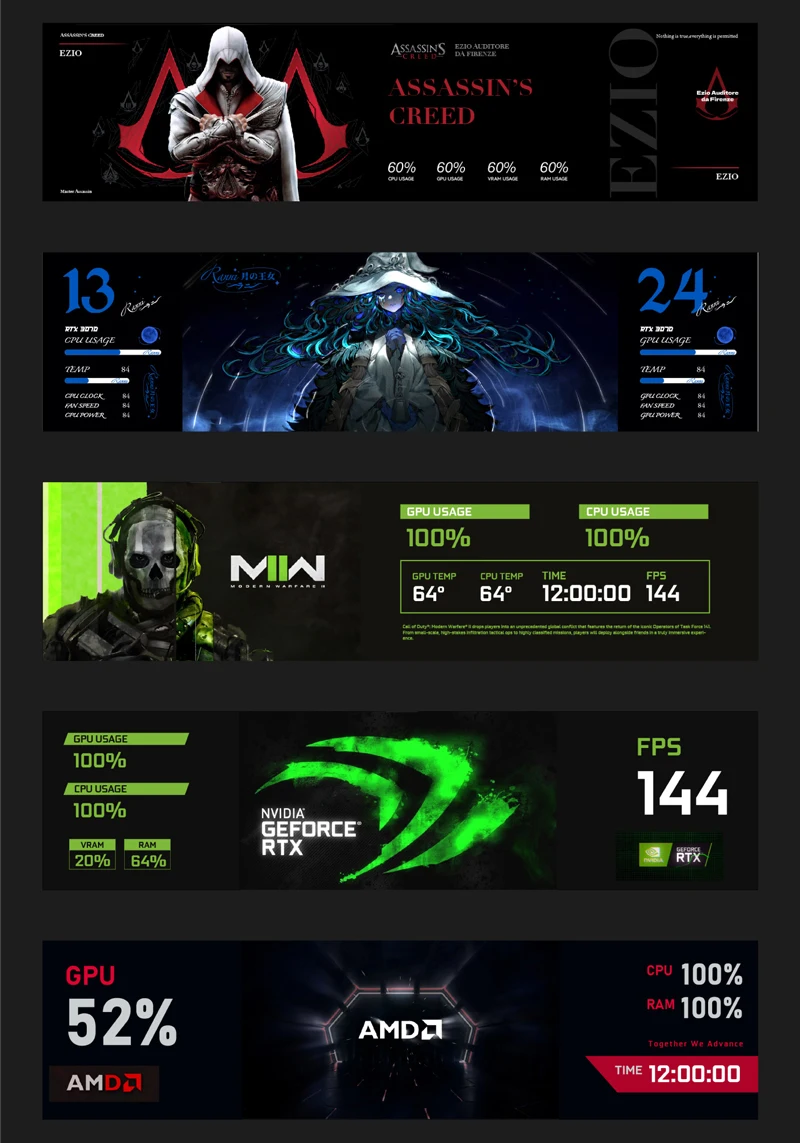
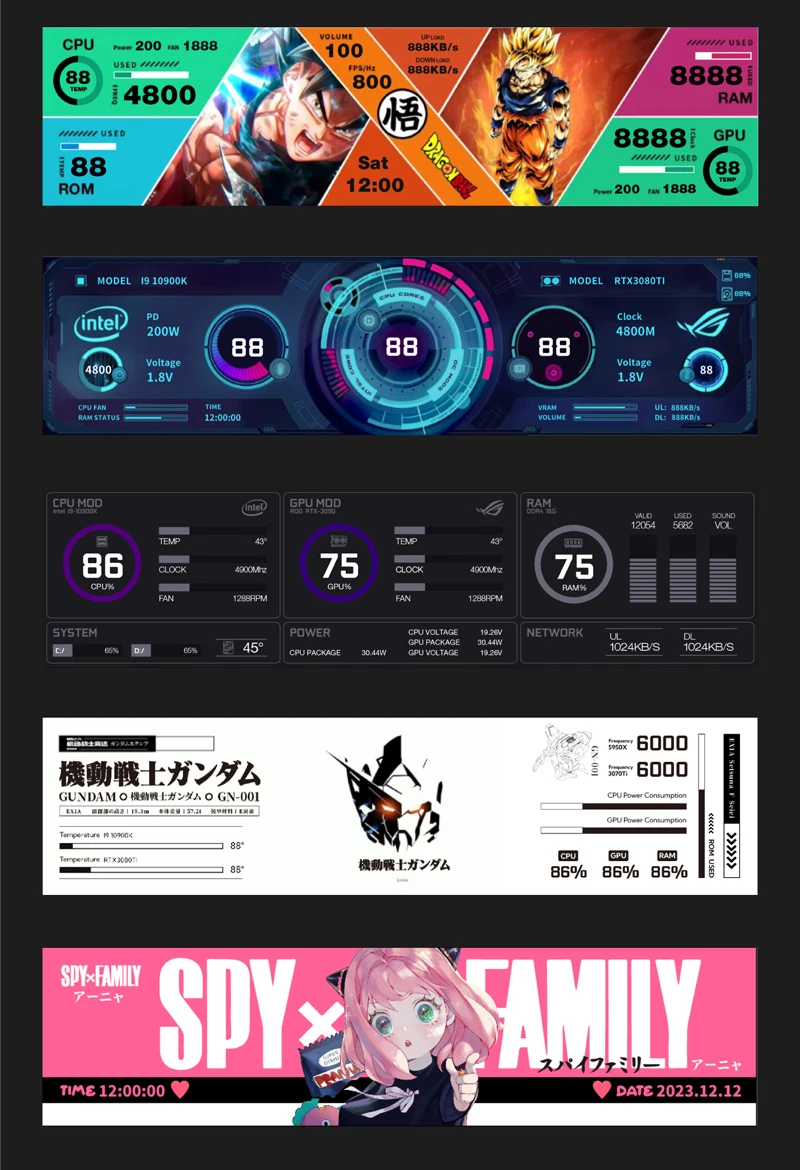
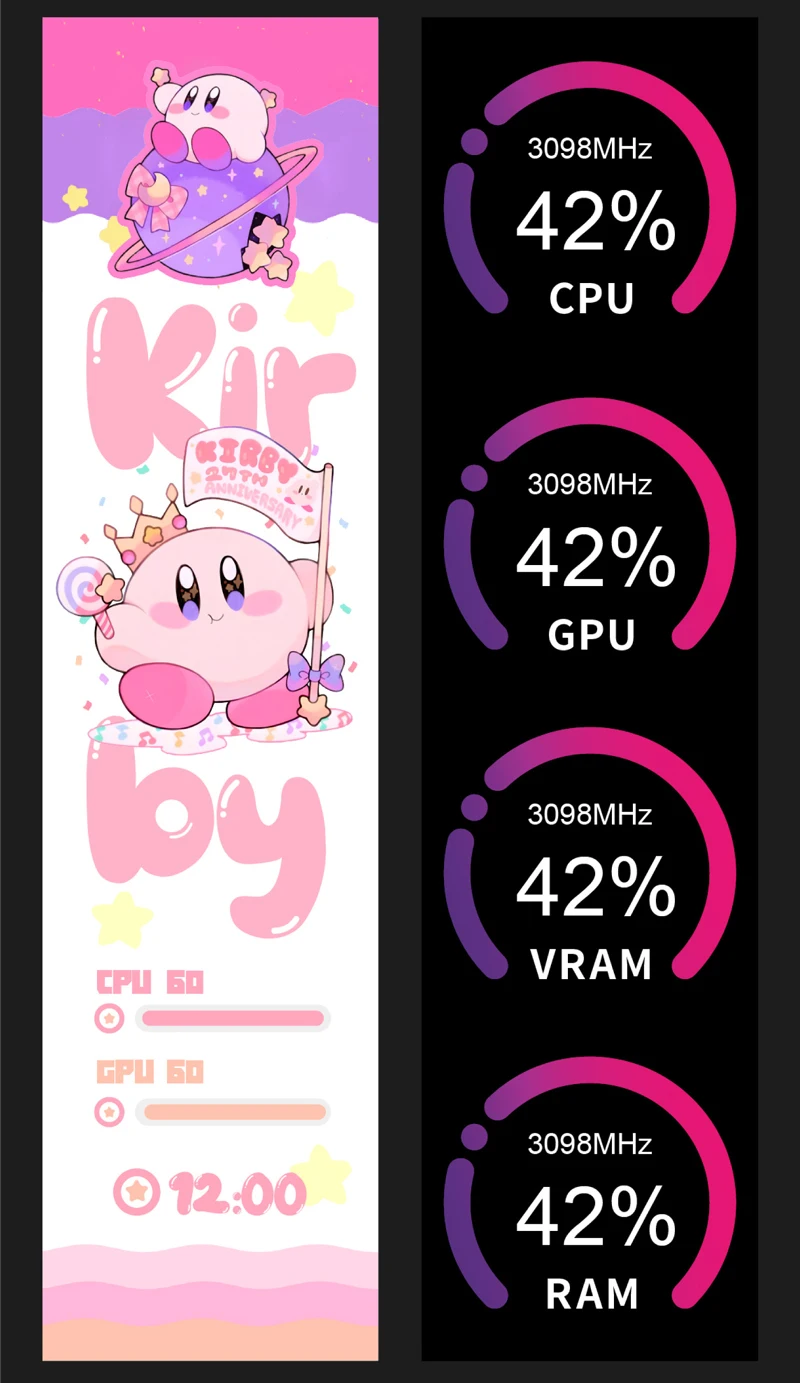
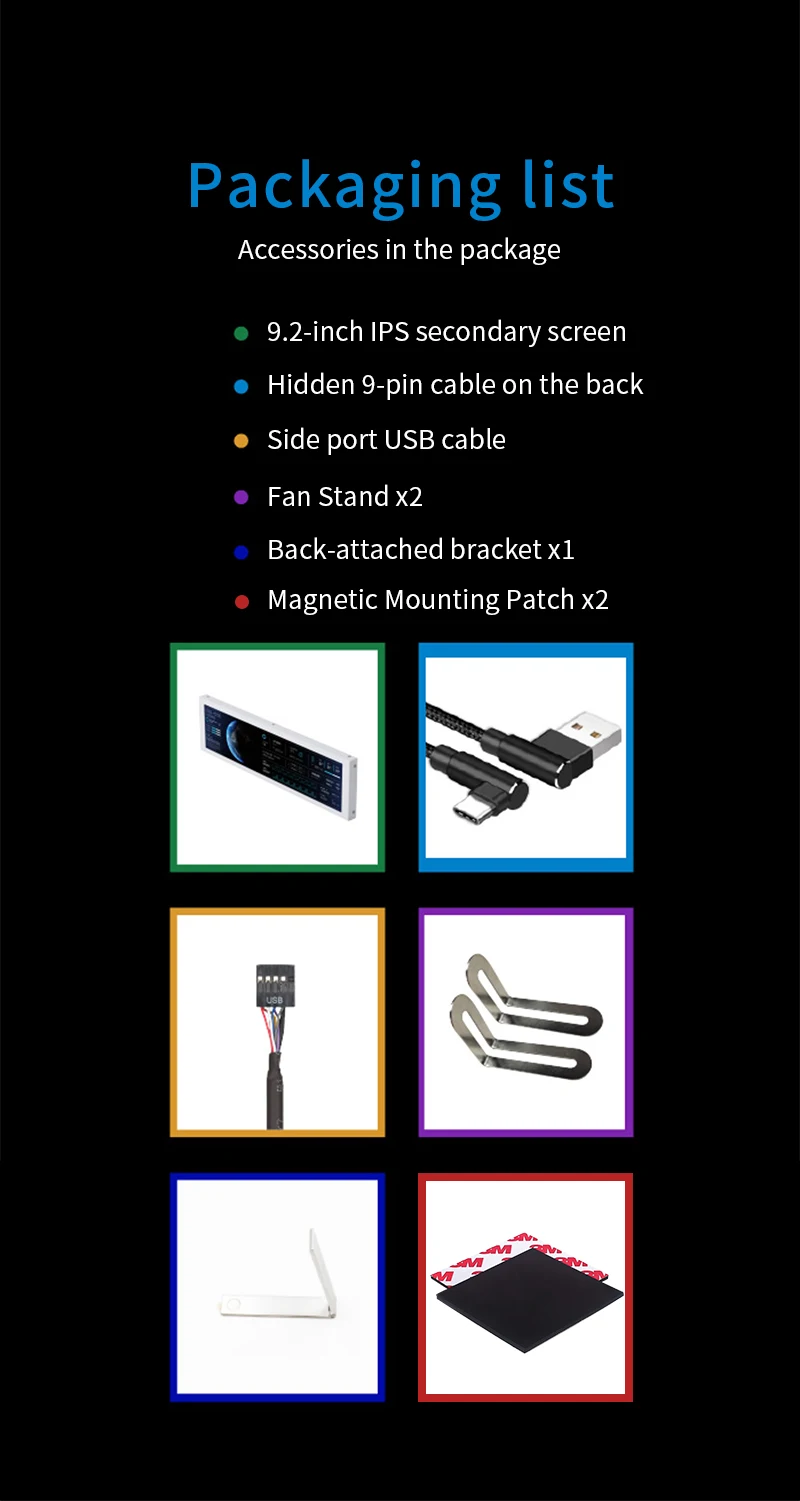
Product Show
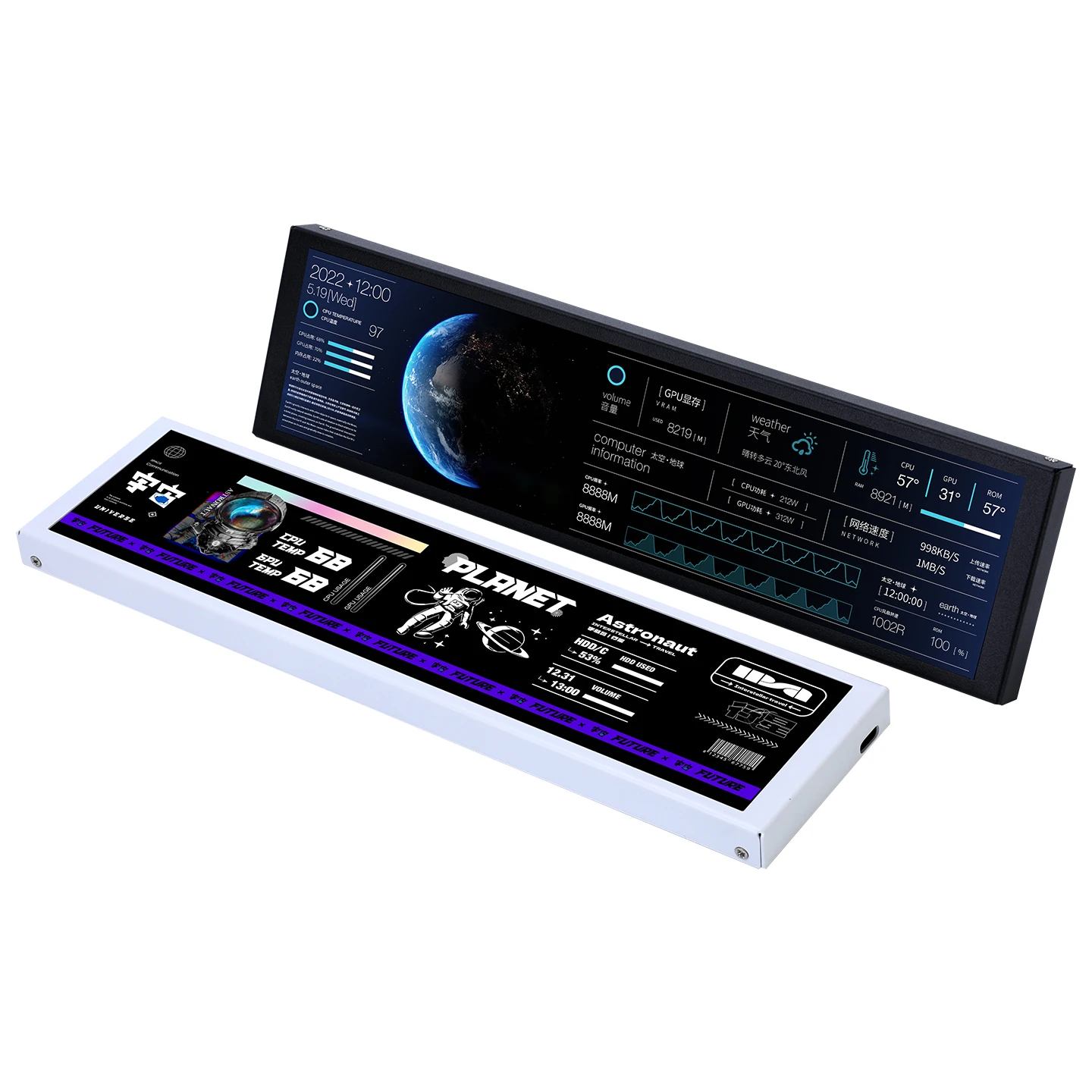
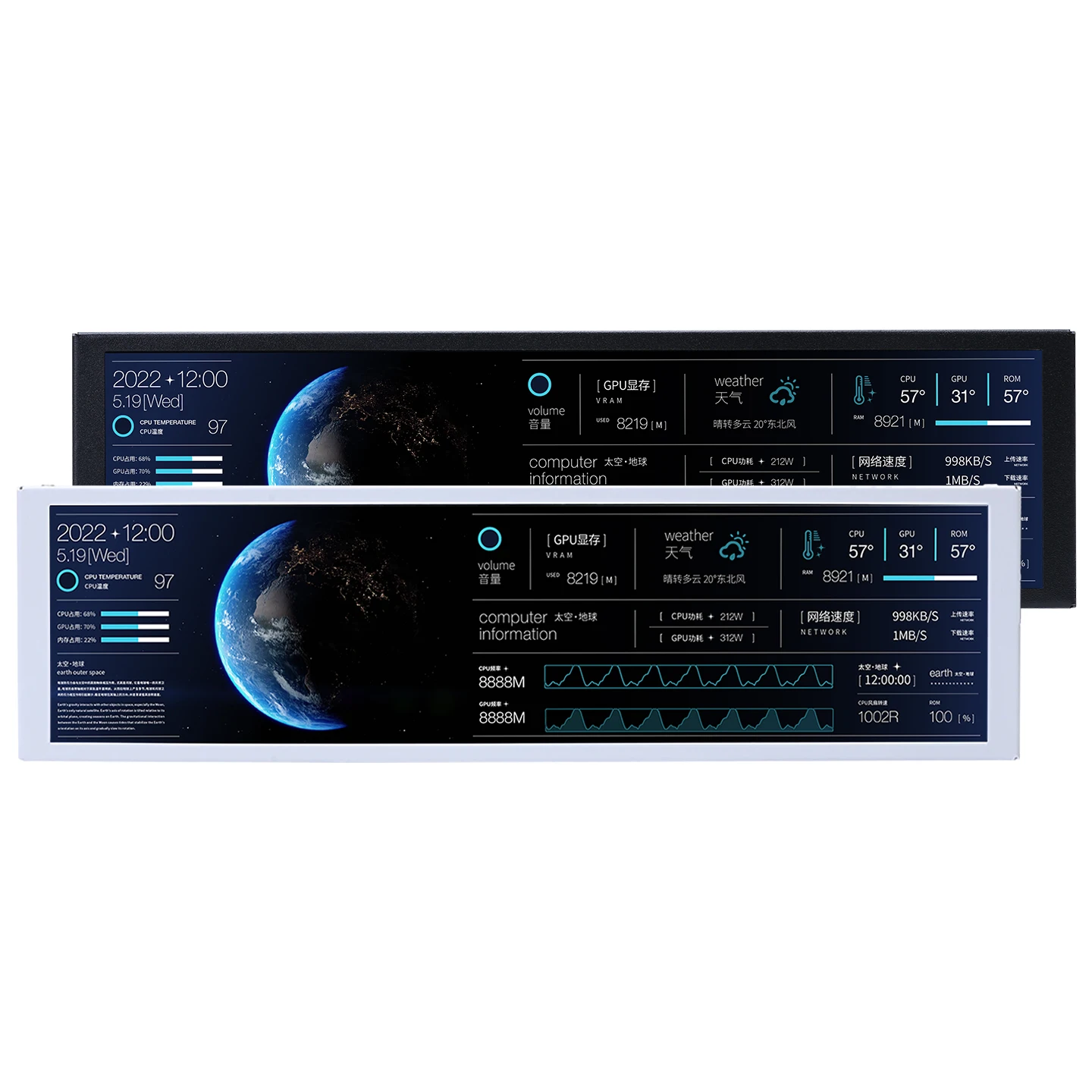
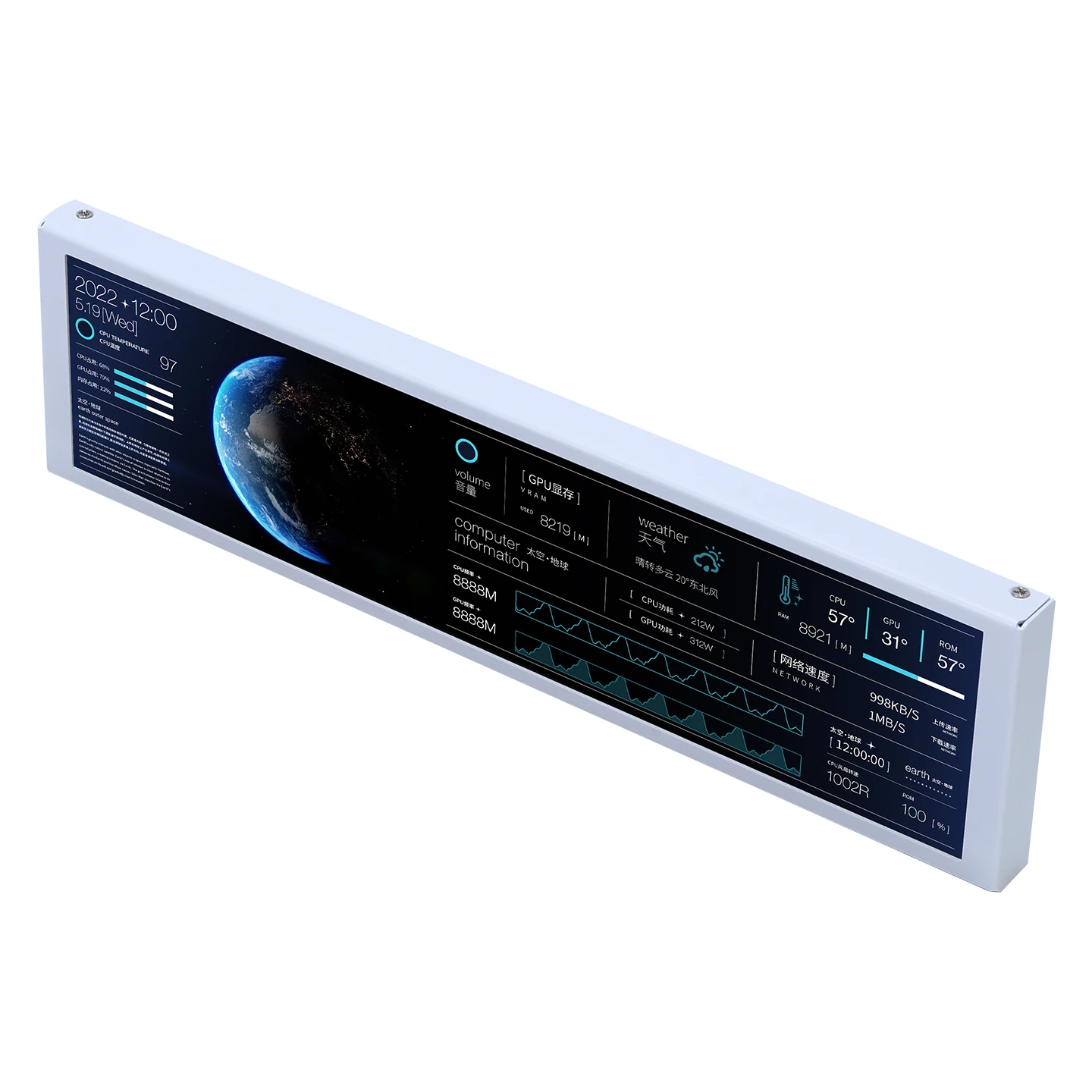
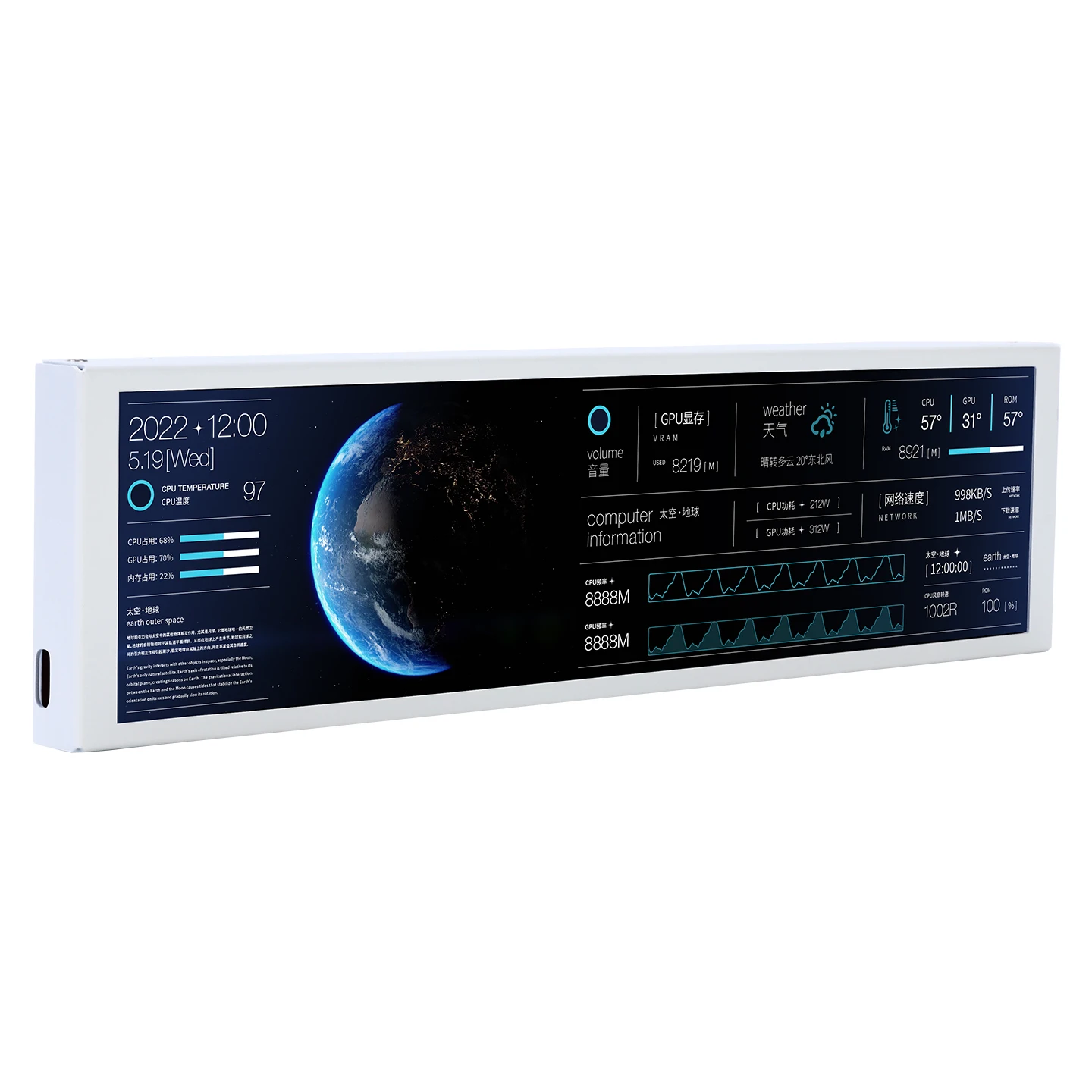
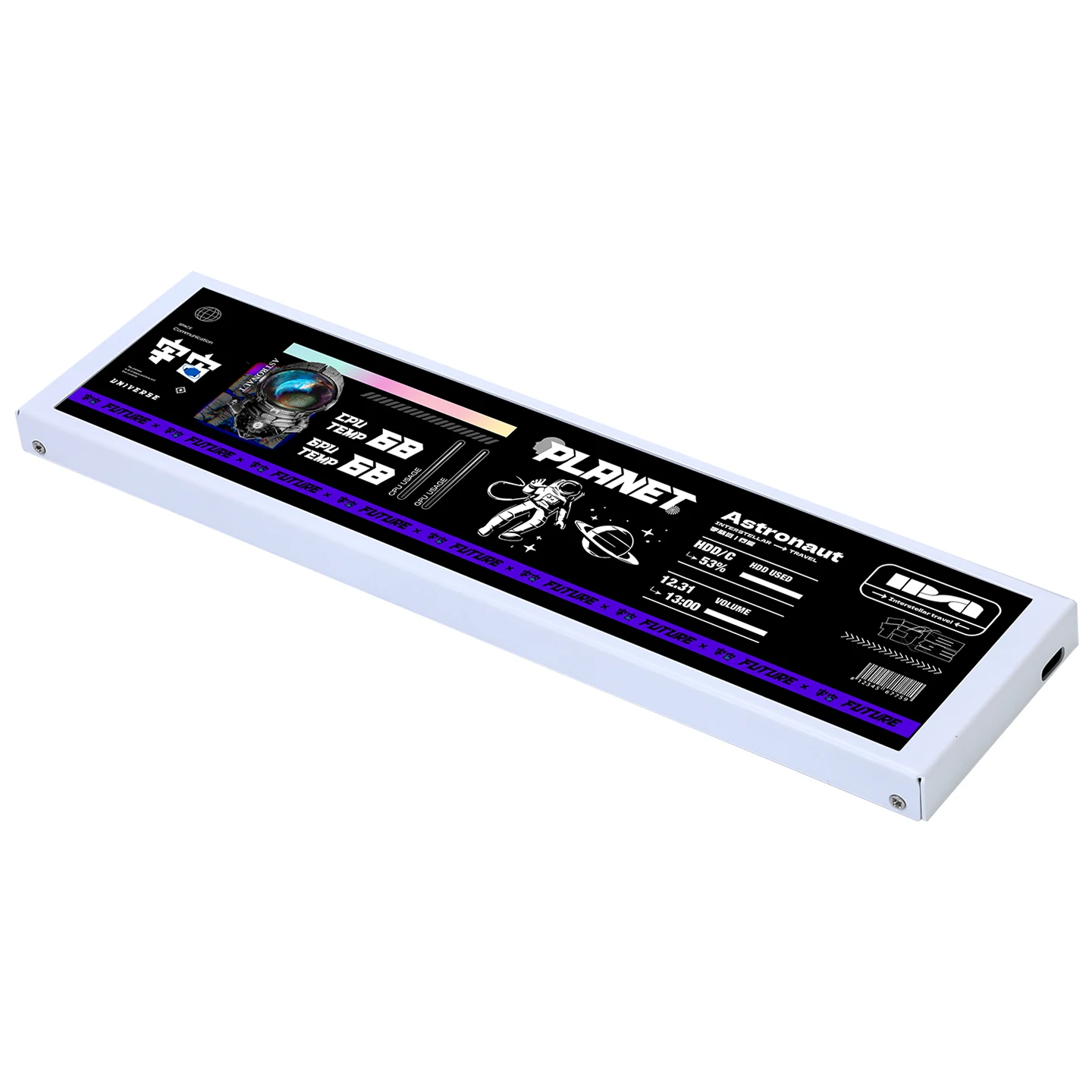
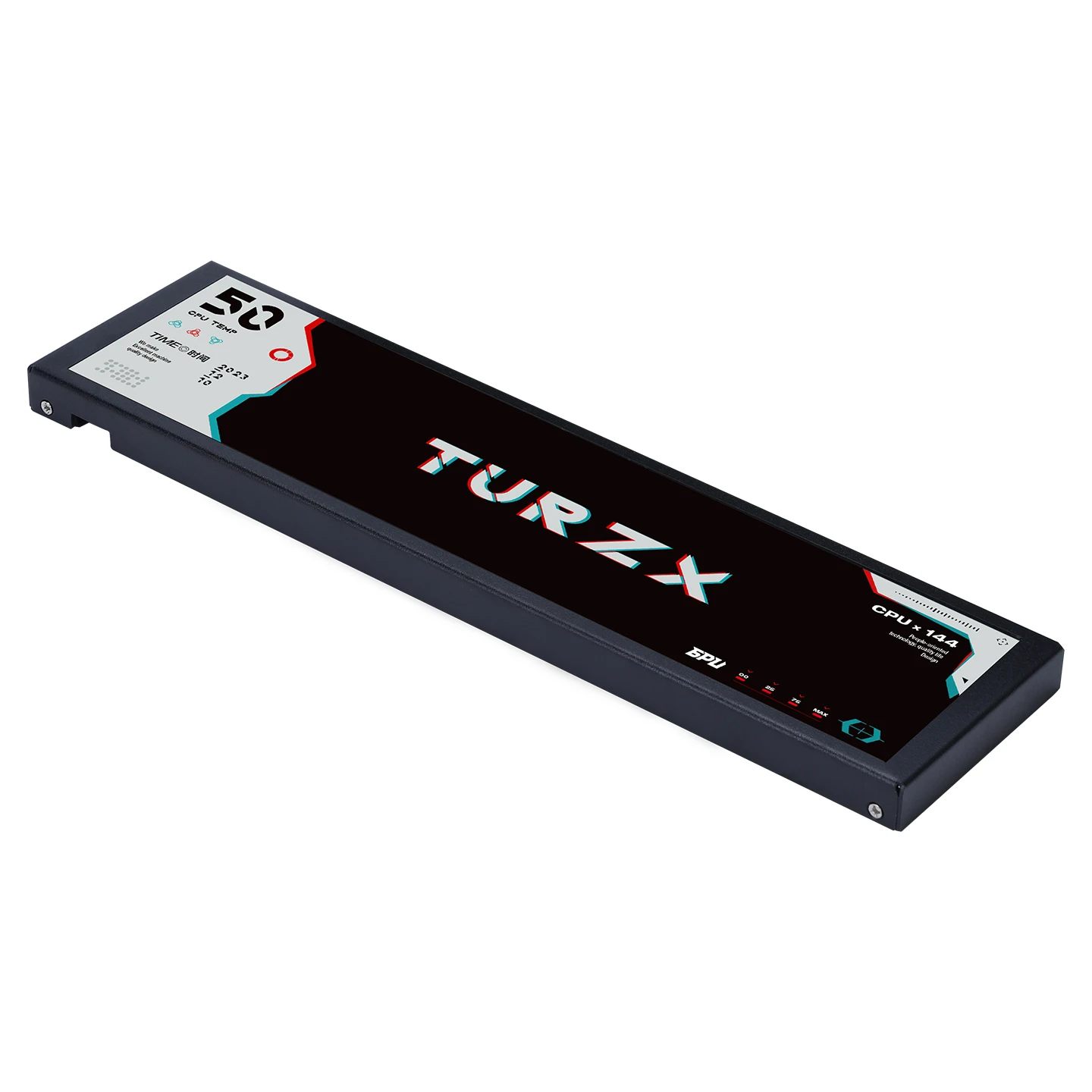


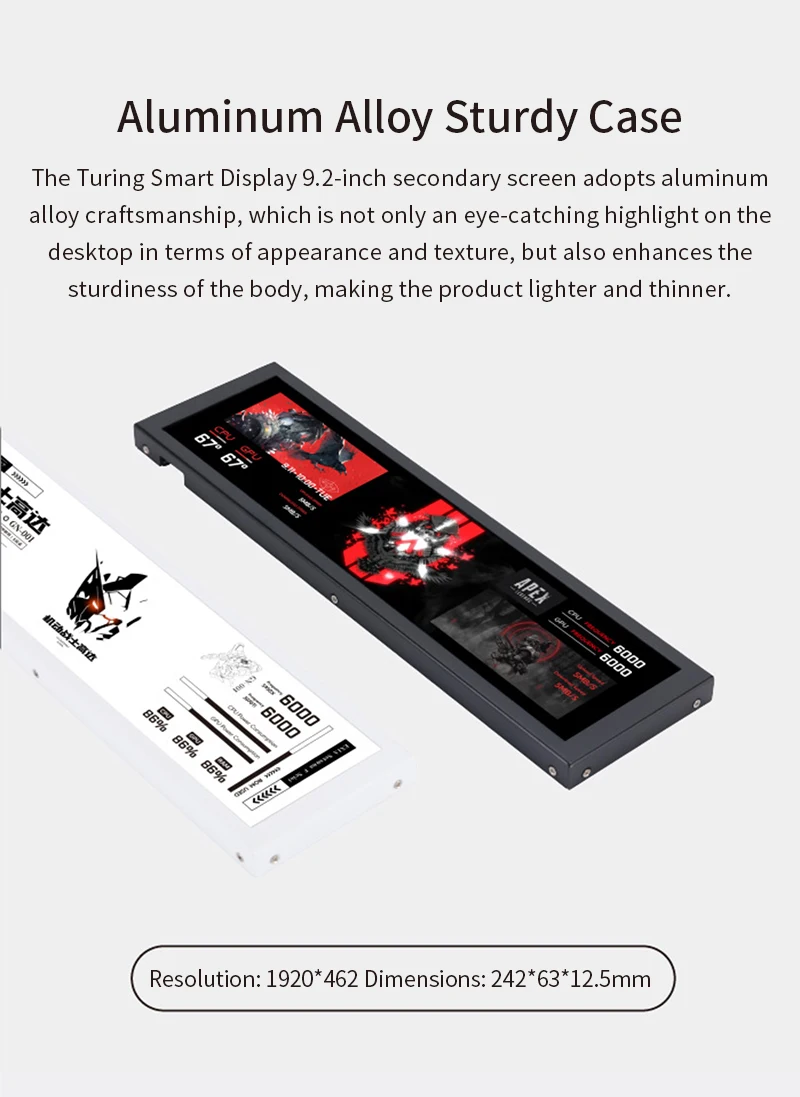
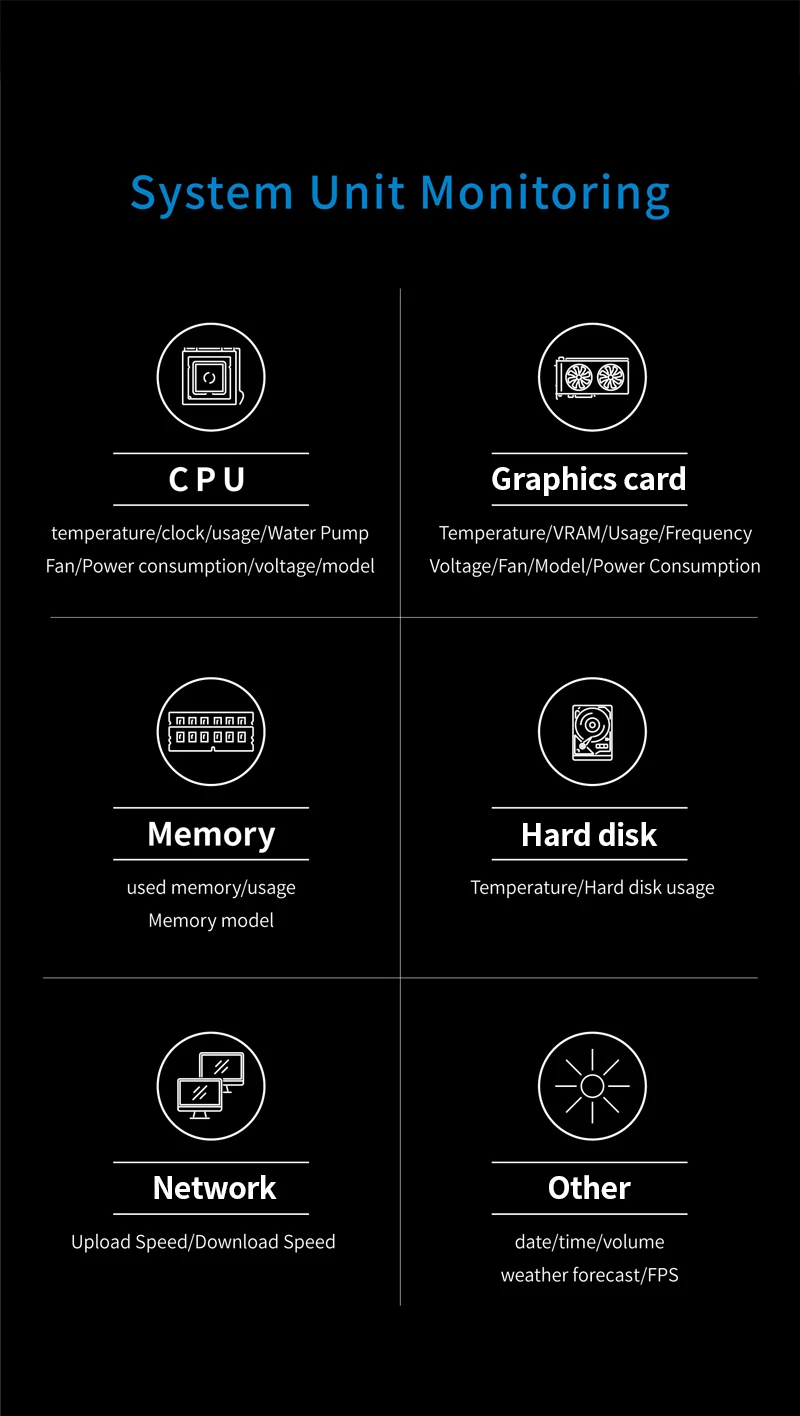
This is a 9.2-inch ultrawide IPS panel in an aluminium body 12.5mm thick and under 200 grams, running at 1920x462 in a 32:9 shape. The proportions are the point. A strip this long and shallow slides under a main monitor, sits along the front edge of a desk, or mounts behind the glass side panel of a PC case, all places where a conventional screen simply does not fit. Its purpose is to show system telemetry permanently: CPU and GPU load, temperatures, memory and disk activity, without stealing space from the display you are working on. At 500 cd/m2 it stays readable beside a much larger and brighter monitor, and it draws a maximum of 1.6 watts.
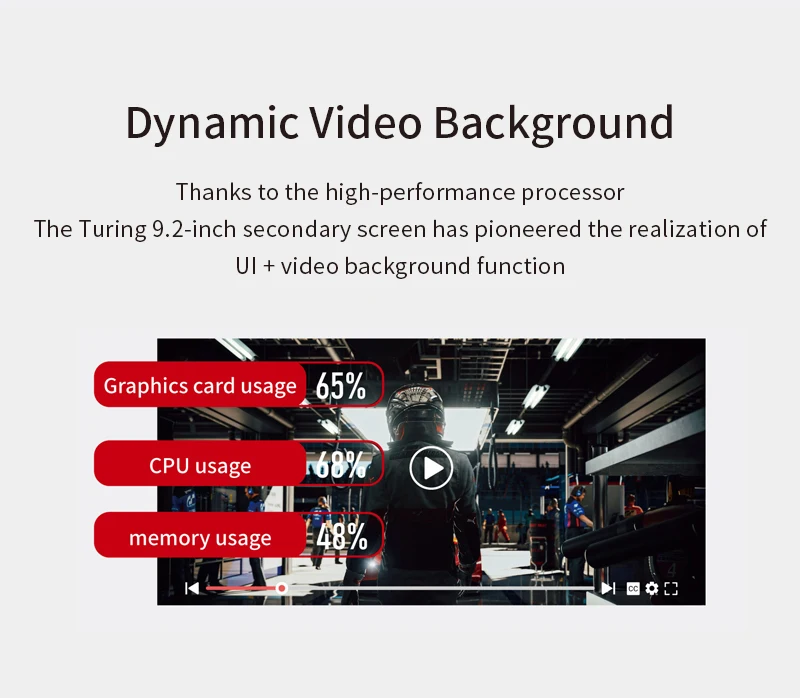
Most mini system-monitor screens work by presenting themselves to Windows as an additional display, letting AIDA64 or a similar tool draw panels onto them. This one takes a different route: the manufacturer's own TURZX utility drives the panel directly over USB, with no HDMI cable and, the maker claims, lower resource consumption plus support for animated video backgrounds. The claim is plausible. The trade is that you are tied to that software: unlike a screen Windows recognises as a monitor, you cannot simply drag any window onto it. Two further consequences follow. The utility is Windows 10 and 11 only, with no macOS or Linux path and no fallback of the system just detecting a display. And it is distributed as a .rar archive from a cloud storage link rather than a company website, unsigned. That is normal practice for small hardware makers rather than a red flag in itself, but it deserves the same treatment as any unsigned download: scan it, install it deliberately, and understand that the screen does nothing without it.
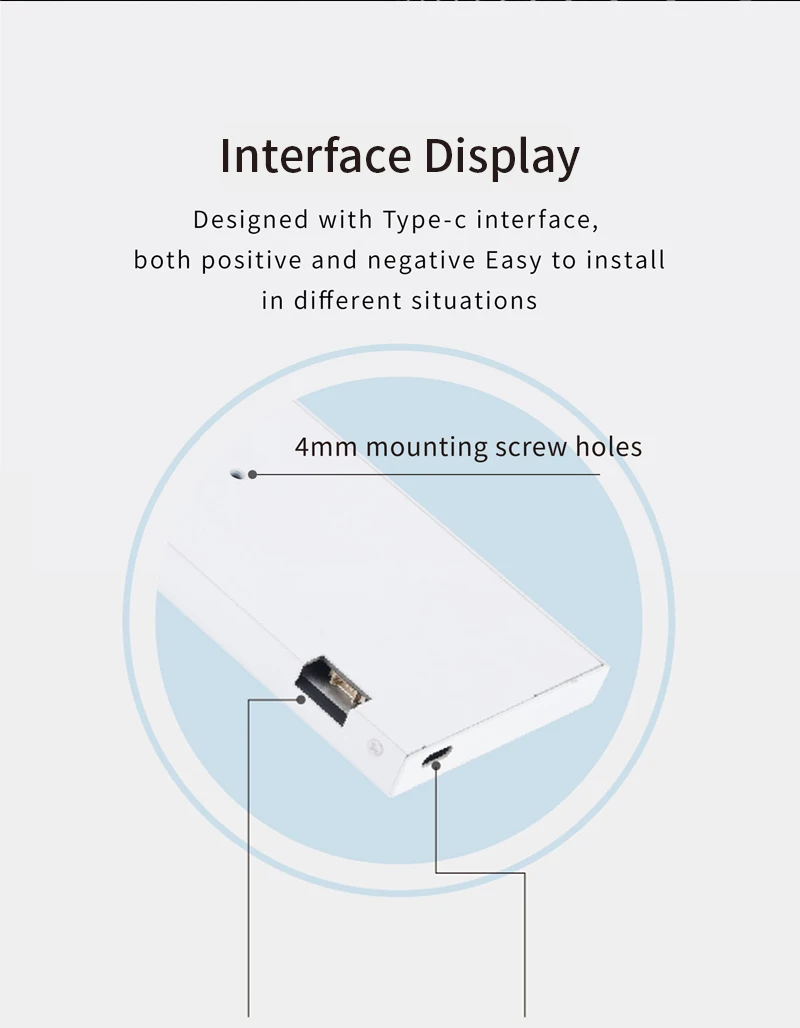
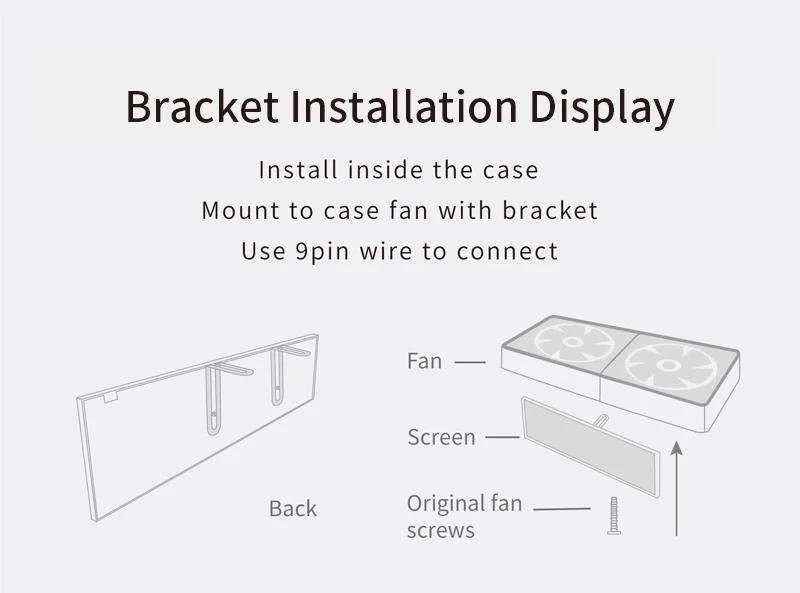
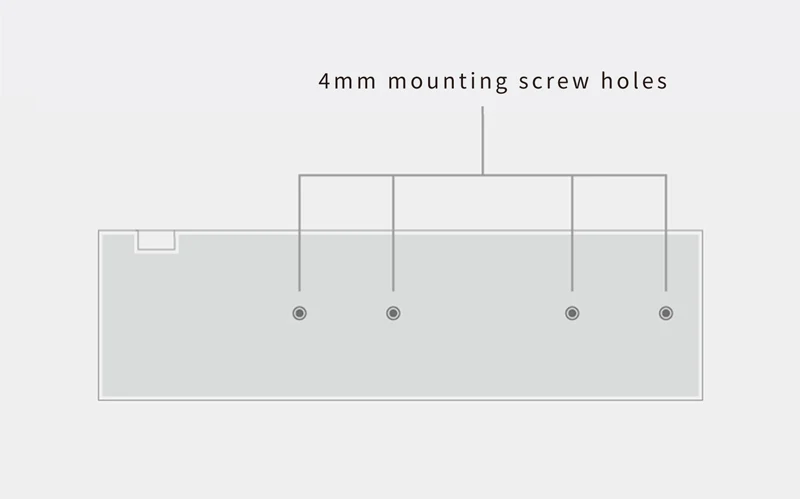
The panel offers two connection routes: a USB-C cable for external use, or an internal 9-pin PH header for mounting inside a PC case. The manufacturer states in bold that you must use one or the other and never both simultaneously, and that warning should be taken literally, since feeding two power and data paths into the same small board is a good way to damage it. Decide where the screen will live before you wire anything: on the desk, use USB-C; inside the case behind the glass, use the internal header. Note also the resolution figures, which appear as both 480x1920 and 1920x462 in different fields. These describe the same panel before and after rotation; the number that matters in use is 1920x462.
As a permanent telemetry display for a Windows machine, this does its narrow job well: a genuinely bright IPS strip in an aluminium shell, negligible power draw, two mounting routes, animated backgrounds and no HDMI cable cluttering the desk. The honest counterweights are that it depends entirely on unsigned manufacturer software fetched from a file-sharing link, that it works on Windows 10 and 11 alone, that you cannot use it as a general-purpose second display the way an AIDA64-compatible screen allows, that it has no speaker, and that connecting both cables at once risks the hardware. Understood as a dedicated instrument rather than a monitor, it is a neat piece of kit.


