








Price :
QTY :
CART TOTALS :
There are items
in your cart
CART TOTALS :
With this products also buy:


We identified: …


Battery Type: Li-Polymer Battery
Brand Name: NONE
Certification: RoHS,CE
Features: Charger & Battery in 1
High-concerned chemical: None
Input Interface: USB Type C
Max Output: 120W
Model: Portable Power Bank
Origin: Mainland China
Output Interface: Double USB
Shell Material: Plastic
Support Quick Charge Technology: One-way Quick Charge
Type: Portable Power Bank
Packing Included:
1 x Power Bank
1 x Charger Cable
1 x Retail Box
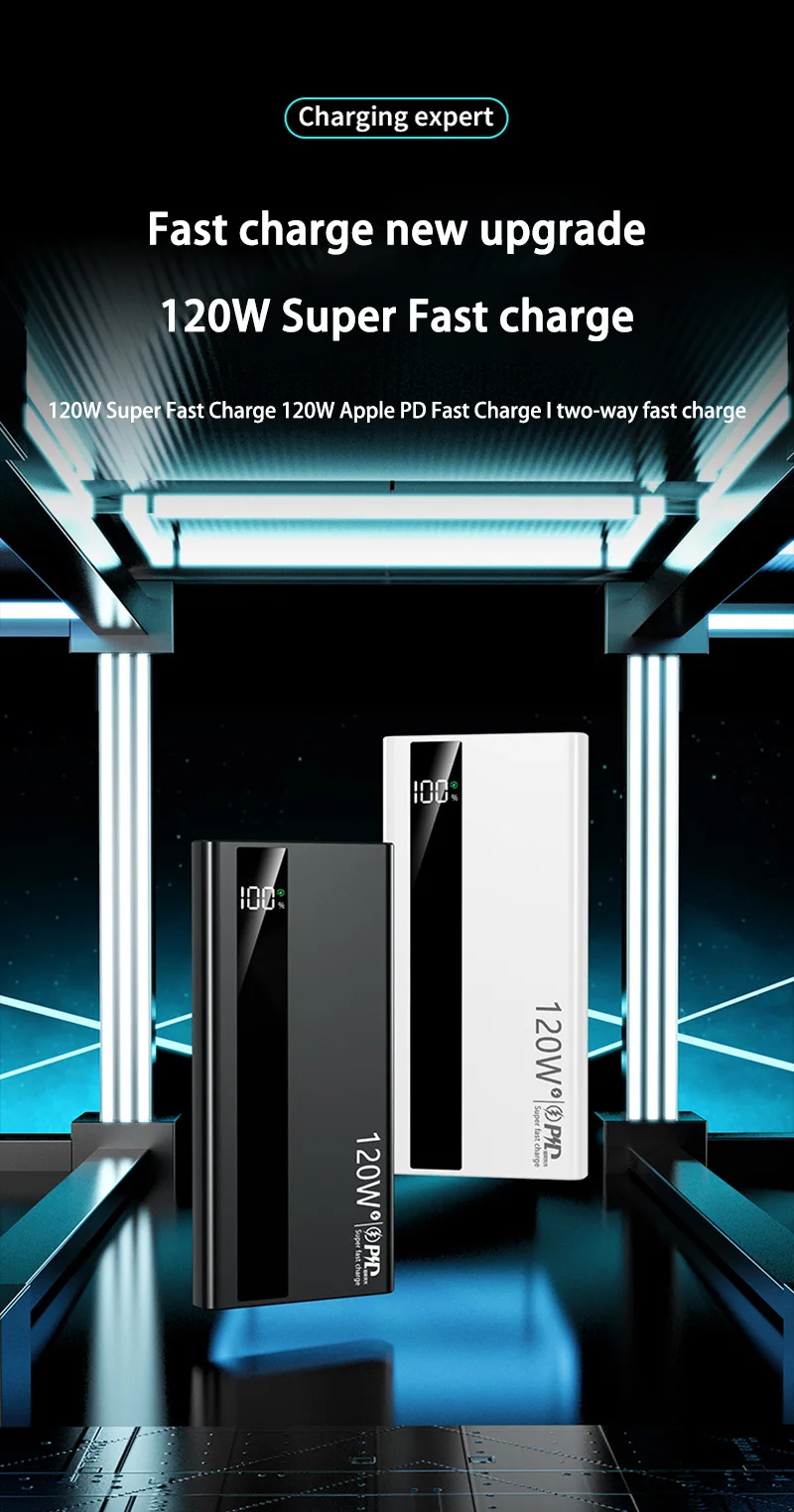
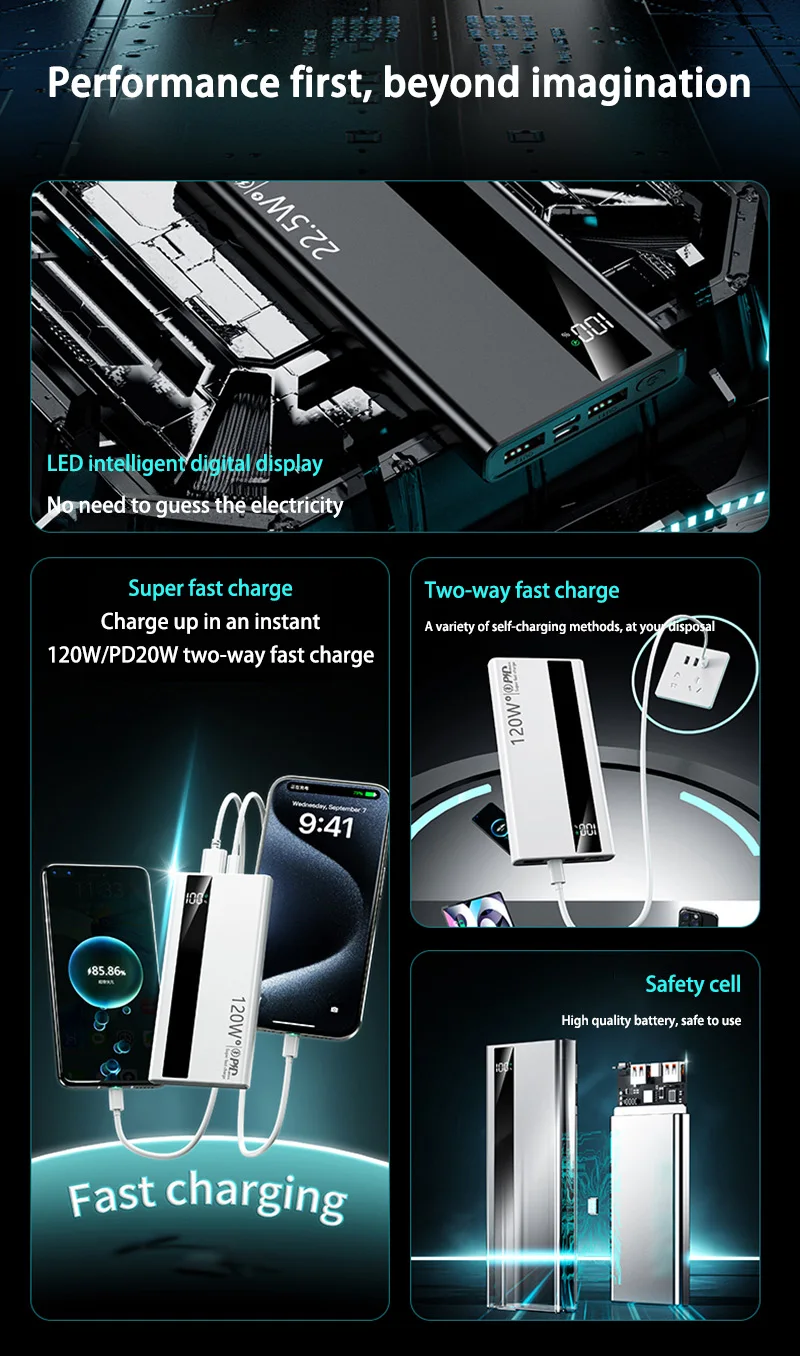
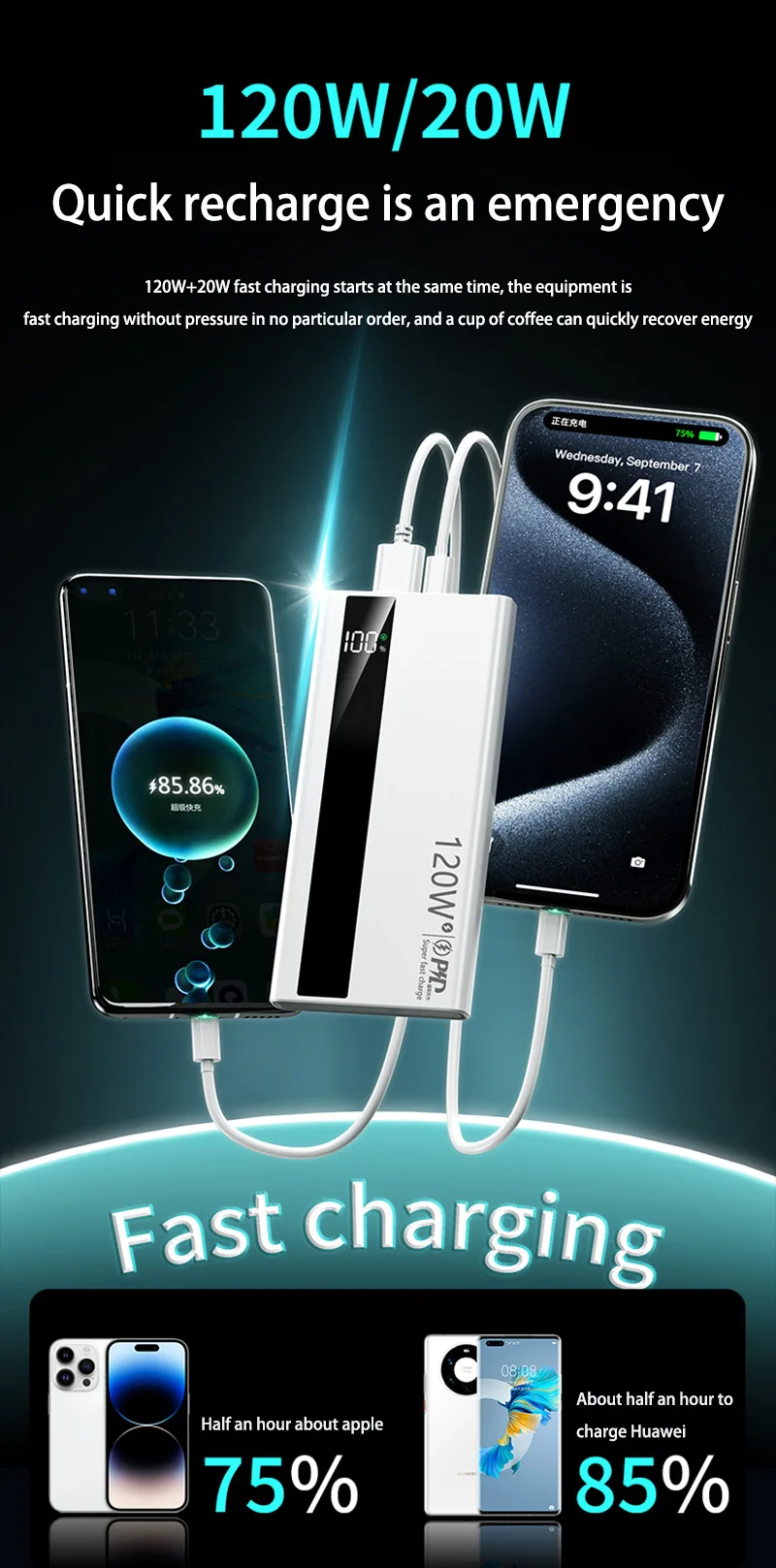
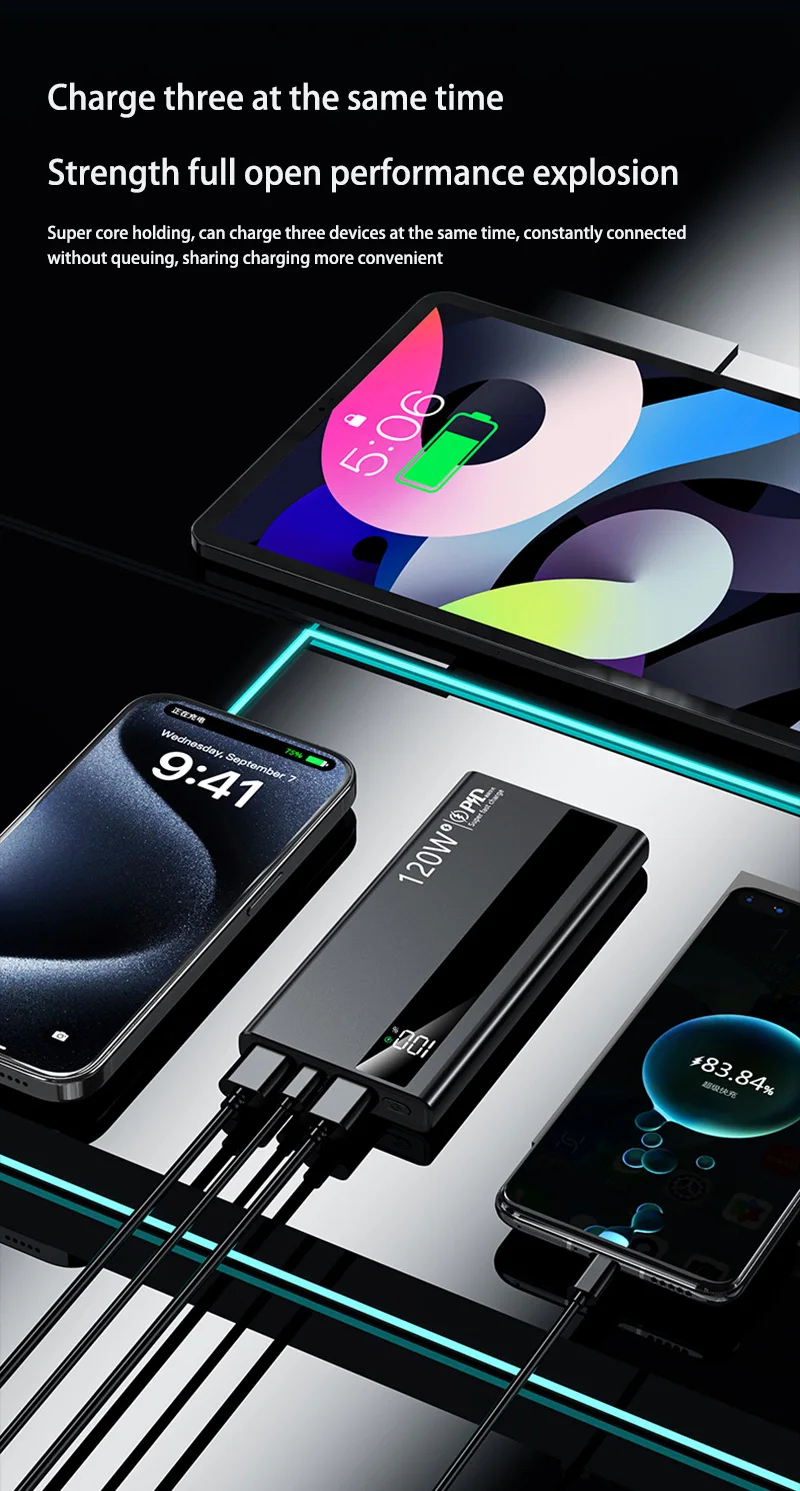
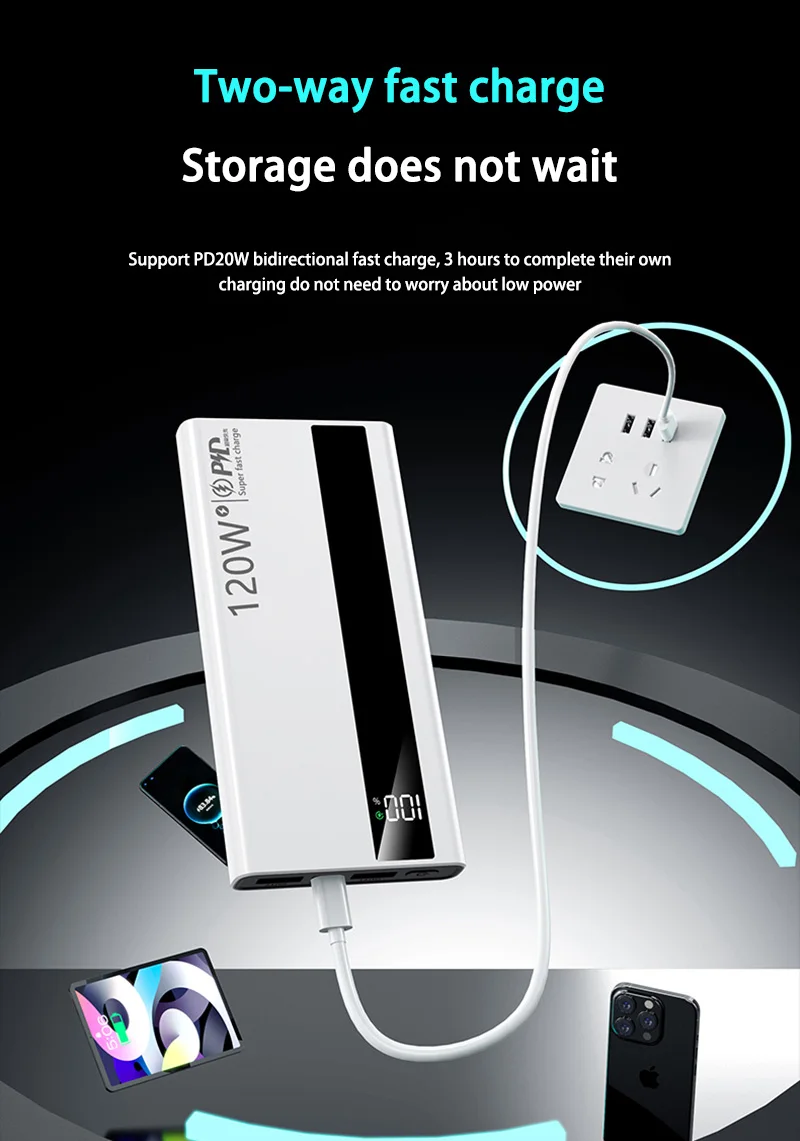
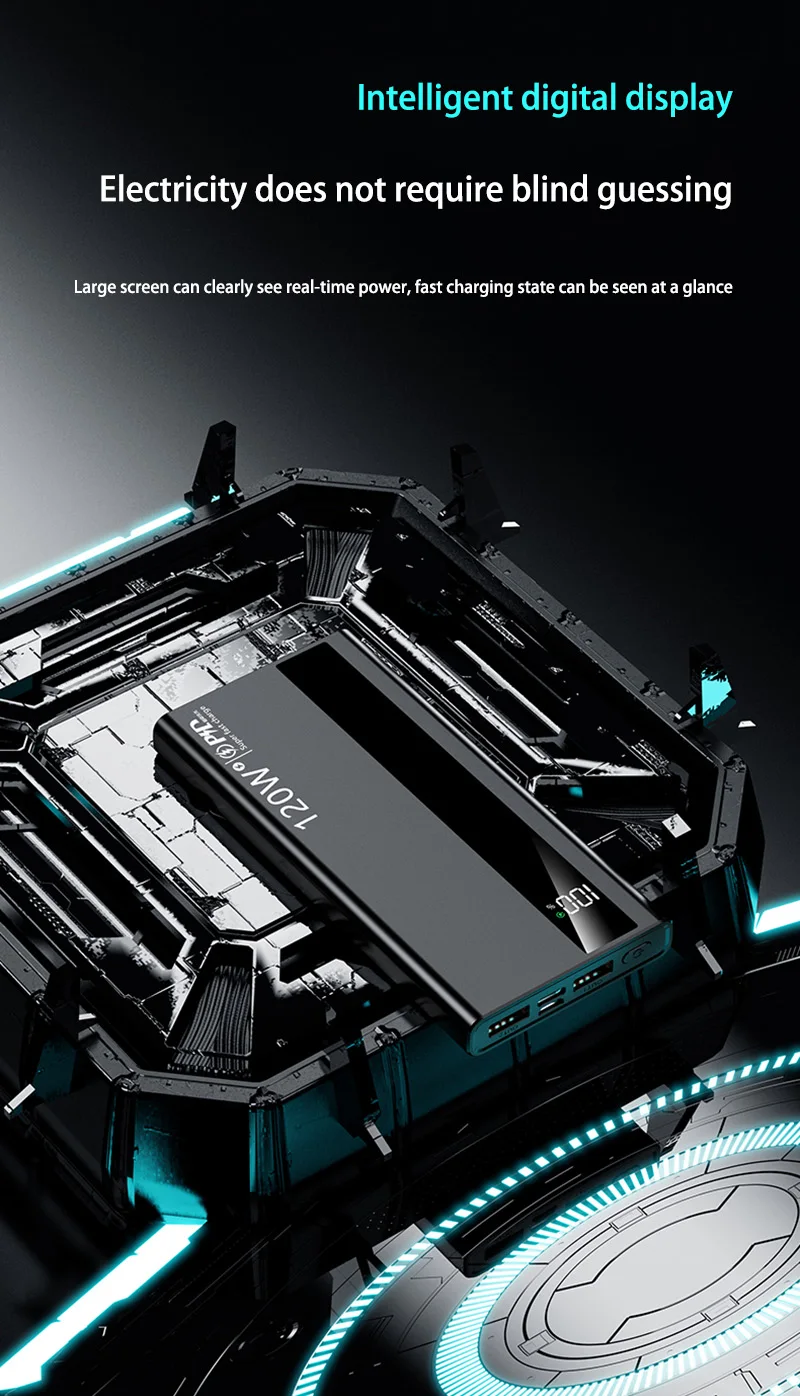
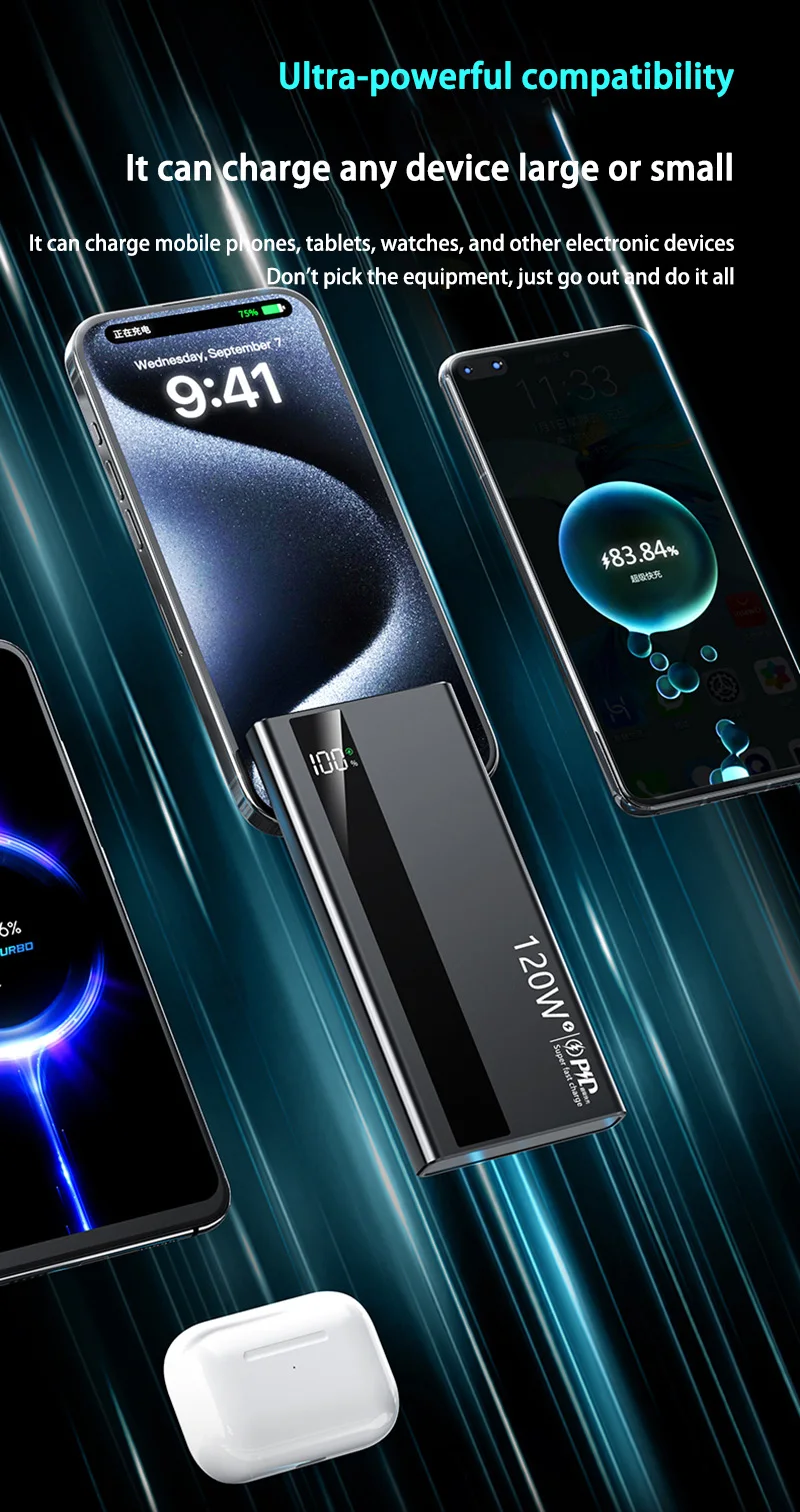
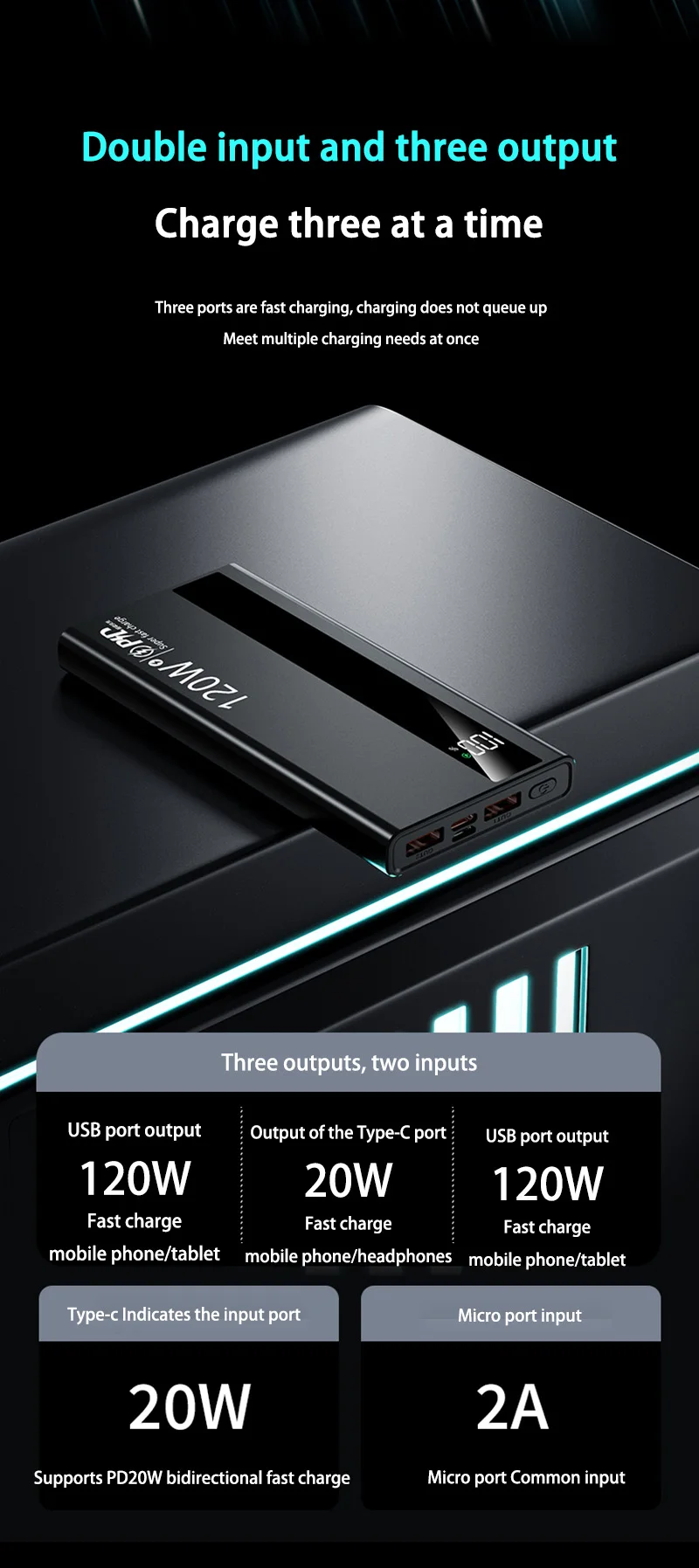
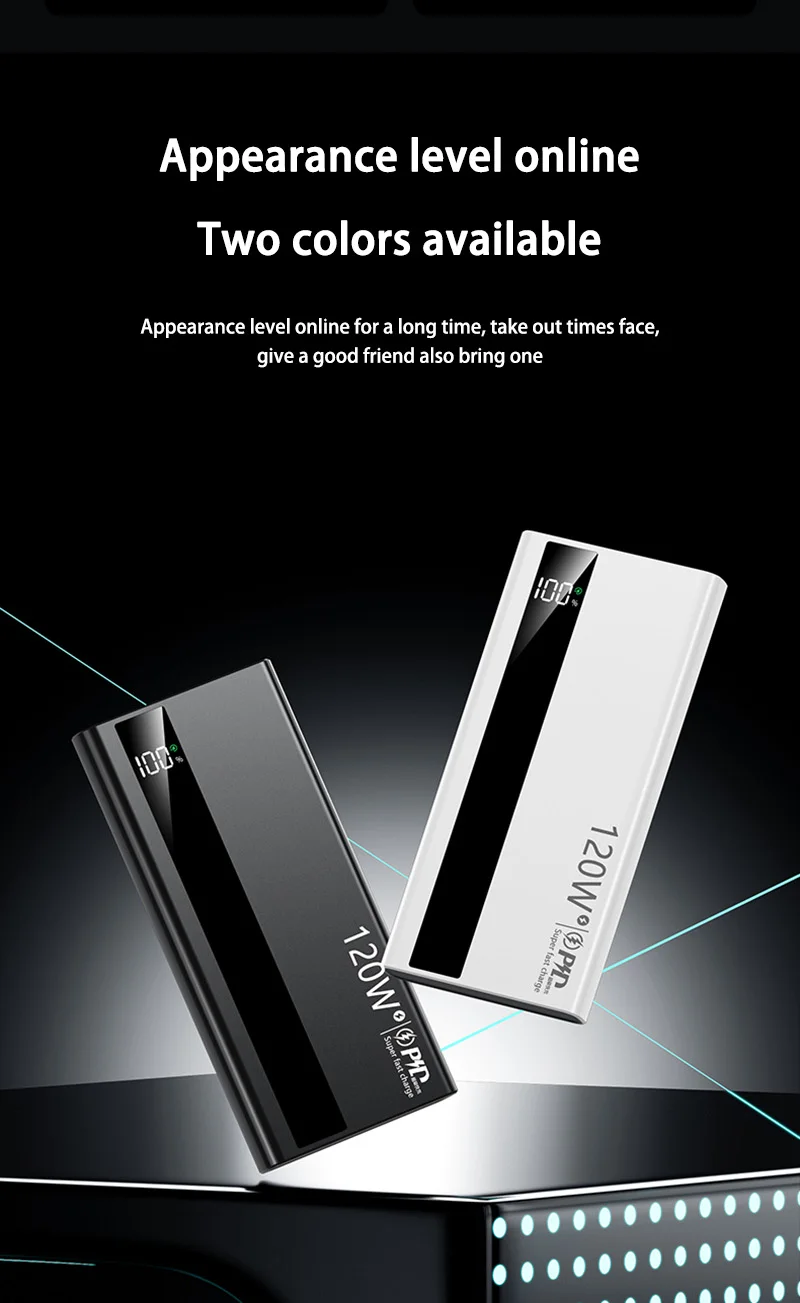
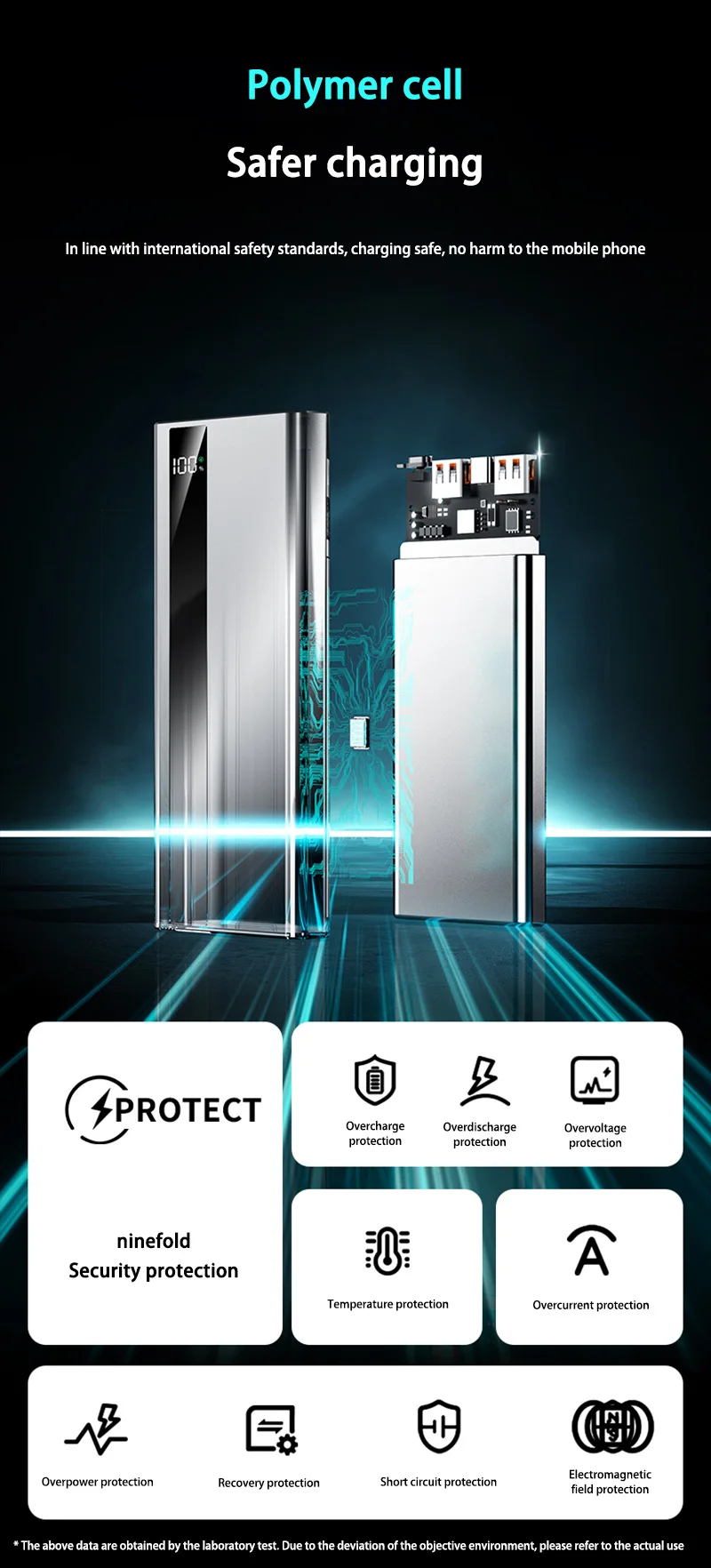
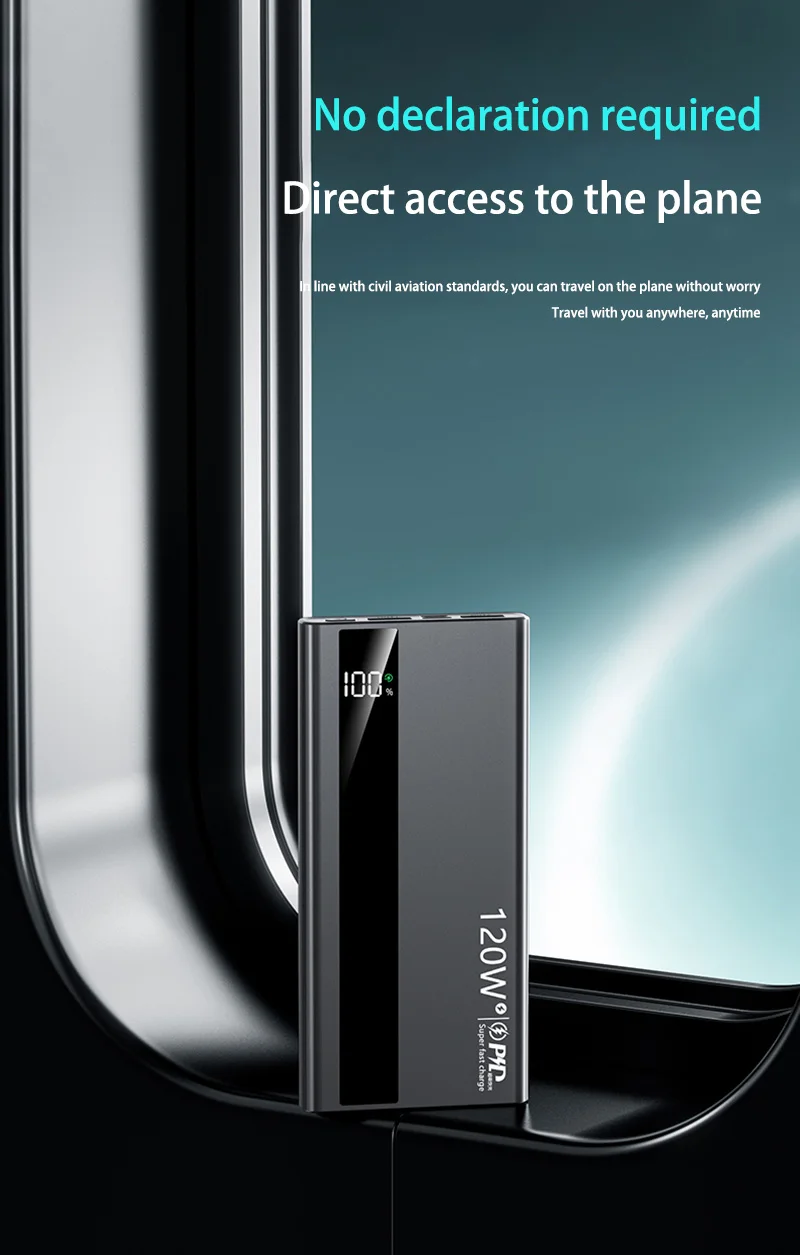
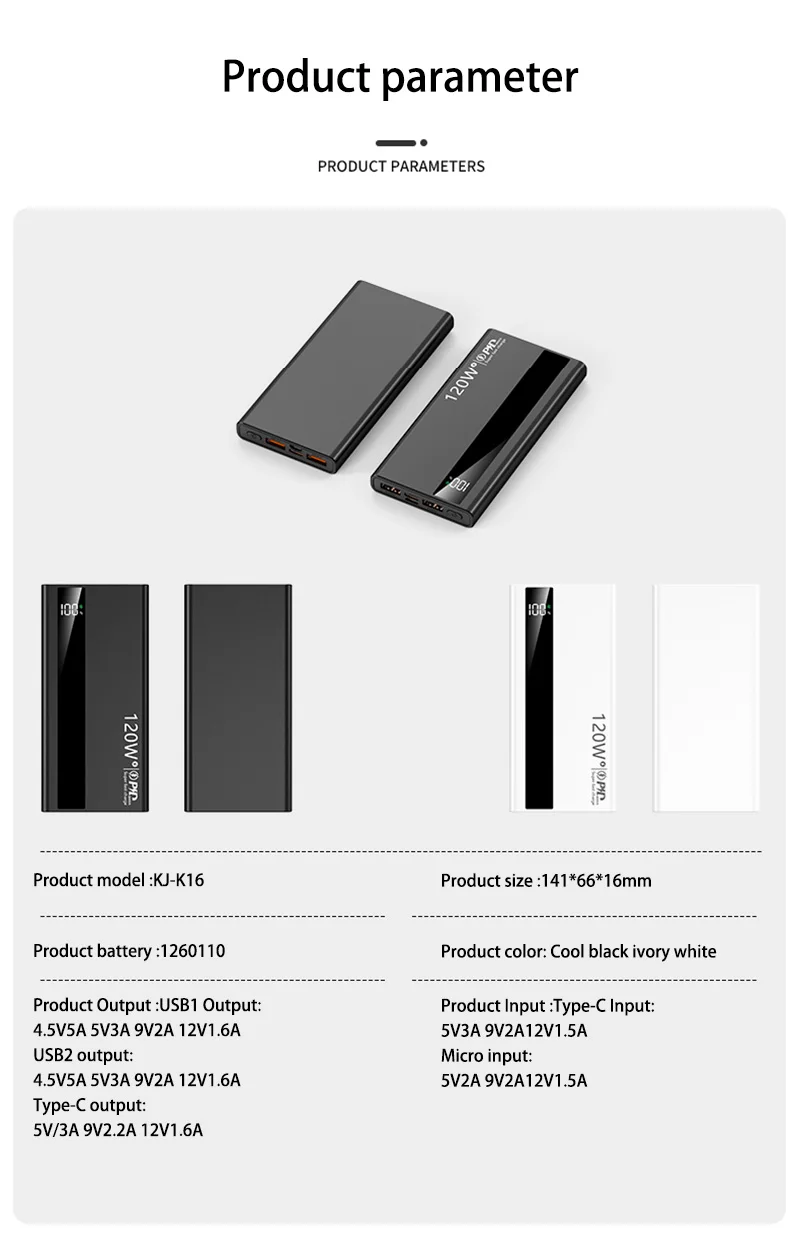


This power bank is sold under a headline of 500,000mAh, and that figure is not an exaggeration to be discounted a little; it is physically impossible in a pocket-sized device, by a wide margin. The listing does not even hold to it internally: the title says 500,000mAh, the description says 200,000mAh, and the option selector offers 50,000, 100,000 and 200,000mAh. This is the energy-storage equivalent of a memory card claiming a capacity its chips cannot hold, and the good news is that unlike a hidden flash controller, a battery's real limits can be checked with simple arithmetic you can do before buying. The device may work as a charger; the capacity on the label is the fiction.
Battery capacity in mAh only becomes meaningful when converted to energy, in watt-hours, and the conversion is straightforward: watt-hours equal the mAh figure multiplied by the cell voltage of 3.7 volts, divided by 1000. Run the headline number through it. 500,000mAh at 3.7V is about 1,850 watt-hours, which is roughly the energy stored in a small electric motorcycle battery and would weigh comfortably more than ten kilograms of lithium cells. Even the description's 200,000mAh implies around 740 watt-hours and several kilograms. Neither fits in a hand, let alone a pocket. There is a reason real power banks top out where they do, and it is a legal one you can use as a yardstick: airlines cap lithium batteries in carry-on baggage at 100 watt-hours without approval, about 27,000mAh, and 160 watt-hours with approval, and these fire-safety limits are strictly enforced. Every genuine power bank you can legally fly with is therefore at most around 27,000mAh, which is exactly why reputable high-capacity banks cluster at 20,000 to 26,800mAh. A battery honestly holding 500,000mAh would be some eighteen times over the hard limit and barred from every aircraft on earth.
A power bank of this physical size can realistically hold somewhere between 10,000 and 30,000mAh, which is a genuinely useful amount, enough to recharge a typical phone several times. The printed figure tells you nothing; the size and weight tell you everything, because lithium cells have a fairly fixed energy density and real capacity tracks weight closely. Two simple tests confirm the truth. First, weight: a battery light enough to carry comfortably cannot contain the many kilograms of cells its label implies. Second, and most practical, count phone charges. A real 20,000mAh bank recharges a 5,000mAh phone roughly three to four times before it is flat; a label claiming 100,000mAh implies fifteen charges, and when the device manages a handful instead, it has told you its true capacity. The 120W output and the USB-A and USB-C ports may well be real and useful, so this can function as a modest charger; the honest way to buy it is to assume a real capacity of perhaps 10,000 to 20,000mAh, decide whether the price is fair for that, and verify on arrival.
This is not a 500,000mAh power bank, because no pocket device can be: the figure converts to about 1,850 watt-hours and well over ten kilograms of battery, roughly eighteen times the airline safety limit, and the listing contradicts itself with a description of 200,000mAh and a selector starting at 50,000. What you will actually receive is most likely a 10,000 to 30,000mAh battery, which is perfectly useful, wearing an impossible label. The output hardware and connectors may be genuine, so judge the device on its real capacity rather than the printed one: do the watt-hour maths, weigh it, remember the 100Wh airline ceiling, and count phone charges to confirm what you have. Bought as a modest real-capacity charger at a fair price, it may serve; bought expecting the number on the box, it cannot.


